
After a stressful day filled with work, responsibilities, and endless tasks, many people search for simple ways to relax without leaving home. A visit to a spa sounds appealing, but busy schedules often make it difficult to find the time.
This is exactly why home saunas have become increasingly popular. Instead of booking appointments or travelling to a wellness centre, homeowners can create a private relaxation space inside their own homes.
For many people, a home sauna becomes more than just a luxury feature. It becomes a personal wellness area—a place to relax muscles, clear the mind, and create a healthier daily routine.
Modern sauna designs now fit different lifestyles. From compact infrared models for apartments to traditional wooden saunas for larger homes, there are options available for different spaces and budgets.
In this guide, we explore what a home sauna is, its potential benefits, different types, installation costs, important buying considerations, and whether adding one to your home is the right choice.
What Is a Home Sauna?
A home sauna is a private heated space designed to provide relaxation and wellness benefits through controlled heat exposure.
Unlike public saunas found in gyms or spas, home saunas are installed inside or outside a private residence, allowing users to enjoy heat therapy whenever they want.
The main purpose of a sauna is to expose the body to high temperatures, which can encourage:
- Relaxation
- Increased circulation
- Muscle recovery
- Stress reduction
- A feeling of overall well-being
Home saunas are available in several designs, including:
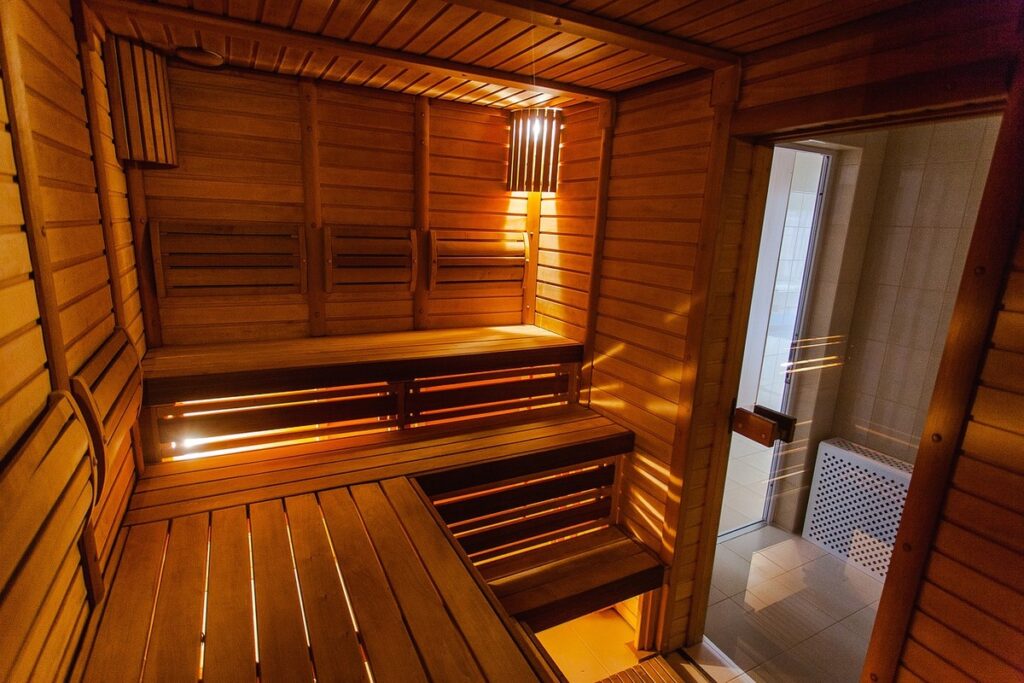
- Traditional Finnish saunas
- Infrared saunas
- Steam saunas
- Outdoor barrel saunas
- Compact indoor sauna cabins
Each type creates a different experience depending on temperature, humidity, space requirements, and personal preference.
Why Are Home Saunas Becoming More Popular?
The popularity of home saunas has increased as more people focus on health, recovery, and creating comfortable living spaces.
Several lifestyle trends have contributed to this growth:
Growing Interest in Personal Wellness
Many homeowners are investing in features that support healthier routines, such as:
- Home gyms
- Meditation spaces
- Recovery rooms
- Wellness areas
A sauna fits naturally into this movement by providing a dedicated place for relaxation.
Convenience of Home Use
One of the biggest advantages is accessibility.
Instead of:
- Driving to a spa
- Paying for memberships
- Planning appointments
A homeowner can enjoy a sauna session whenever it fits their schedule.
Luxury Home Improvement Trend
A sauna can also increase the appeal of a property by adding a premium wellness feature that many buyers find attractive.
Benefits of Having a Home Sauna
Regular sauna use has been associated with several potential wellness benefits. However, it is important to remember that saunas support overall wellness but do not replace medical treatment.
1. Helps Relax the Body and Reduce Stress
One of the most popular reasons people install home saunas is relaxation.
The heat encourages the body to loosen tense muscles and creates a calming environment after a busy day.
Many users enjoy sauna sessions as part of an evening routine because they provide a quiet break from screens, work, and daily pressure.
2. Supports Muscle Recovery
Heat exposure can help relax muscles after physical activity.
Athletes and fitness enthusiasts often use saunas because they may help with:
- Muscle stiffness
- Post-workout relaxation
- General recovery routines
For someone who exercises regularly, a home sauna can become a useful addition to a recovery plan.
3. Promotes Circulation
Heat causes blood vessels to expand, which increases blood flow throughout the body.
Improved circulation is one reason sauna use is often associated with a feeling of warmth and relaxation.
4. Creates a Better Self-Care Routine
A major benefit of having a sauna at home is psychological.
The space itself encourages people to slow down and prioritize personal time.
A 20-minute sauna session can become a daily ritual similar to meditation or quiet reflection.
Types of Home Saunas
Choosing the right sauna depends on your available space, budget, and the type of experience you want.
Traditional Finnish Sauna
The traditional Finnish sauna is the classic sauna experience.
It uses an electric or wood-burning heater to warm sauna stones and create dry heat.
Typical characteristics:
- High temperatures
- Low humidity
- Wooden interior
- Optional steam created by pouring water over heated stones
Advantages:
- Authentic sauna experience
- Strong heat sensation
- Classic design appeal
Considerations:
- Requires proper ventilation
- Often needs stronger electrical installation
- Takes longer to heat compared with infrared models
Infrared Sauna
Infrared saunas work differently from traditional models.
Instead of heating the entire room first, infrared heaters warm the body directly.
Benefits include:
- Lower operating temperatures
- Faster heating time
- Easier installation
- Lower energy consumption
They are especially popular among homeowners who want a compact sauna solution.
Infrared models are often suitable for:
- Apartments
- Smaller homes
- Personal wellness spaces
Steam Sauna
Steam saunas create a humid environment using hot water vapour.
Unlike dry saunas, steam rooms focus on moisture and humidity.
Common benefits people enjoy include:
- A relaxing atmosphere
- A warm, humid environment
- A spa-like experience
Steam systems usually require more planning because moisture control and waterproofing are important.
Home Sauna Installation Costs
The cost of installing a home sauna depends on:
- Sauna type
- Size
- Materials
- Installation requirements
- Additional features
Typical price ranges include:
Portable or Compact Infrared Saunas
These are usually the most affordable option.
Approximate cost:
- Entry-level models: lower budget range
- Premium cabins: several thousand dollars
Prefabricated Sauna Rooms
These ready-made units are easier to install.
Costs commonly increase depending on:
- Size
- Wood quality
- Features
- Custom options
Custom-Built Luxury Saunas
A fully designed sauna with premium materials and advanced features can cost significantly more.
Luxury installations may include:
- Custom lighting
- High-end wood finishes
- Audio systems
- Glass walls
- Smart controls
Important Things to Consider Before Installing a Home Sauna
Buying a sauna requires more planning than simply choosing a model.
Available Space
Measure your area carefully.
Consider:
- Ceiling height
- Ventilation
- Door clearance
- User capacity
A small two-person sauna may require much less space than a large custom design.
Electrical Requirements
Many saunas require dedicated electrical connections.
Before installation:
- Check power requirements
- Consult a qualified electrician
- Confirm your home’s electrical capacity
Safety should always come before installation speed.
Ventilation and Moisture Control
Proper airflow is essential.
Poor ventilation can lead to:
- Excess humidity
- Wood damage
- Unpleasant smells
Steam saunas require even more attention because of moisture.
Maintenance Requirements
A sauna is not completely maintenance-free.
Regular care includes:
- Cleaning benches
- Checking heating equipment
- Keeping surfaces dry
- Inspecting wood condition
Good maintenance helps extend the sauna’s lifespan.
Indoor vs Outdoor Home Sauna: Which Is Better?
Both options have advantages.
Indoor Sauna
Advantages:
- Easy access
- Works in all weather
- Convenient for daily use
Best for:
- Houses with available indoor space
- People who want maximum convenience
Outdoor Sauna
Advantages:
- Creates a private retreat
- Saves indoor space
- Works well in gardens
Best for:
- Larger properties
- Nature-focused lifestyles
The right choice depends on your home layout and personal preference.
Common Mistakes When Buying a Home Sauna
Choosing Size Without Planning
Some buyers underestimate how much space they need.
Think about:
- Number of users
- Comfort level
- Future needs
Focusing Only on Price
The cheapest sauna is not always the best investment.
Important factors include:
- Material quality
- Heater reliability
- Warranty
- Energy efficiency
Ignoring Installation Requirements
A sauna should be installed correctly.
Poor installation can affect:
- Safety
- Performance
- Durability
Is a Home Sauna Worth It?
For many homeowners, a sauna is worth considering because it combines relaxation, convenience, and lifestyle value.
It may be especially appealing for people who:
- Exercise regularly
- Enjoy wellness routines
- Want a private relaxation space
- Prefer home-based self-care
However, it is important to choose a sauna that matches your actual needs.
A small infrared sauna may be perfect for one person, while a luxury traditional sauna may suit a family home.
The Future of Home Saunas
The future of home saunas is moving toward smarter and more personalized wellness experiences.
Modern trends include:
- Smart temperature controls
- Energy-efficient heating
- Compact designs
- Premium home wellness rooms
As homeowners continue prioritizing health and comfort, saunas are becoming less of an exclusive luxury and more of a practical wellness investment.
Conclusion
A home sauna can transform a simple room into a personal relaxation retreat.
Whether you choose a traditional Finnish sauna, an infrared cabin, or a steam sauna, the biggest advantage is having wellness available whenever you need it.
From reducing daily stress to supporting recovery after exercise, a sauna offers a unique combination of comfort and self-care.
For homeowners looking to improve their living experience, a well-planned home sauna is not just an upgrade—it is an investment in a healthier, more relaxing lifestyle.