
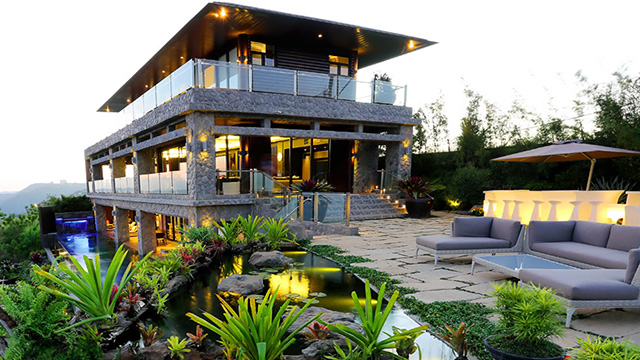

For many affluent buyers, a mansion in the Philippines represents more than square footage. It can mean privacy behind a gated entrance, a garden large enough for family gatherings, a swimming pool designed around the tropical climate, and a location close enough to business districts, schools and hospitals to make everyday life convenient.
That combination is helping sustain interest in high-end Philippine residential property, but the market is more complicated than simply finding a beautiful house and expecting its value to rise.
In 2025 and early 2026, the broader Philippine residential market showed mixed conditions. Metro Manila’s condominium sector faced substantial inventory, while luxury and ultra-luxury projects continued to attract demand. Colliers reported that luxury and ultra-luxury condominiums in Metro Manila were showing positive take-up, while its Q4 2025 report identified upcoming high-end projects in Makati CBD, Fort Bonifacio and Alabang.
At the same time, residential markets outside Metro Manila—including Cebu, Bacolod, Iloilo, Davao, Pampanga, Bulacan, Cavite and Laguna—have been attracting stronger interest, particularly for horizontal housing.
So, if you’re researching mansions in the Philippines, the right question is not simply “How expensive are they?” It is: Where should you buy, what should you inspect, who can legally own the property, and does the price make sense for your intended use?
Why Mansions in the Philippines Remain Attractive
The Philippines offers something that many luxury property markets struggle to combine: tropical surroundings with major urban centers and established affluent communities.
A buyer can choose between a large urban estate close to Metro Manila’s business districts and a quieter property surrounded by greenery in areas such as Batangas, Cavite or Laguna.
For others, the attraction is lifestyle rather than investment.
A large home can provide:
- Private gardens
- Swimming pools
- Outdoor entertainment areas
- Home offices
- Multiple bedrooms and guest suites
- Staff quarters
- Garages for several vehicles
- Private gyms
- Basketball or sports courts
- Security compounds
- Indoor-outdoor living
The best properties are usually valuable because of the combination of land, location, privacy and quality, rather than simply because the building is large.
Where to Find Luxury Mansions in the Philippines
There is no single Philippine mansion market. The experience differs dramatically depending on location.
Metro Manila
Metro Manila remains the country’s most established luxury residential market.
High-end neighborhoods and developments around Makati, Forbes Park, Dasmariñas Village, Bonifacio Global City, Rockwell, Alabang and nearby southern Metro Manila communities appeal to buyers who prioritize access to business districts, international schools, hospitals, restaurants and premium retail.
For a mansion buyer, land scarcity can be particularly important.
A large detached house in a prestigious gated community is fundamentally different from buying a luxury condominium unit. The supply of suitable large lots is limited, and the neighborhood itself can contribute substantially to the property’s value.
However, buyers should not assume that every part of Metro Manila is performing equally.
Colliers reported elevated condominium vacancy in parts of Metro Manila during 2025, while more established submarkets such as Makati CBD, Rockwell Center and Ortigas Center remained comparatively resilient.
That is a useful reminder that location quality matters even within the luxury segment.
Alabang and Southern Metro Manila
Alabang is particularly interesting for buyers who want more space without completely leaving Metro Manila.
Large residential communities offer:
- Bigger lots
- Gated environments
- Family-oriented neighborhoods
- Access to major roads
- Proximity to schools
- Larger gardens and pools
The area can be more suitable for a traditional mansion lifestyle than dense central business districts.
Colliers’ Q4 2025 outlook also identified Alabang among locations where premium and ultra-premium residential projects are scheduled for turnover from 2026 onward.
Cebu
Cebu is one of the most important luxury residential markets outside Metro Manila.
Its appeal comes from the combination of a major business center and access to beaches, resorts and island destinations.
Affluent buyers may consider established communities around Cebu City as well as larger residential developments and properties in surrounding areas.
For someone relocating from Manila, Cebu can offer a different balance between urban convenience and resort-style living.
Cavite, Laguna and Batangas
These areas deserve attention from buyers who prioritize land and lifestyle over being in the center of Metro Manila.
The attraction can include:
- Larger lots
- Mountain or countryside views
- Lower land costs than prime central districts
- Weekend-home potential
- Better opportunities for custom-built estates
Batangas is especially interesting for buyers looking for a second home or resort-style property because of its proximity to Metro Manila and access to coastal areas.
However, a remote-looking property is not automatically a good luxury investment. Road access, utilities, flood exposure and future development plans can matter more than the view.
Palawan and Boracay
Island properties have a different buyer profile.
In Palawan, buyers may be attracted by privacy, ocean views and resort-style living. Boracay offers a much more established tourism environment.
But these markets should not be evaluated in exactly the same way as Metro Manila.
A luxury beachfront property can have enormous lifestyle appeal while still being more difficult to manage, insure, maintain and resell.
For a remote mansion, infrastructure can be part of the investment thesis.
Reliable electricity, water supply, internet connectivity, road access, storm exposure and property management should be investigated before the buyer becomes emotionally attached to the house.
What Defines a Modern Philippine Mansion?
Today’s luxury buyer is generally looking beyond enormous floor plans.
1. Indoor-Outdoor Living
The tropical climate naturally encourages designs that connect the house with outdoor spaces.
Popular features include:
- Covered terraces
- Large sliding doors
- Swimming pools
- Outdoor kitchens
- Landscaped gardens
- Pool houses
- Gazebos
- Outdoor dining areas
The best designs don’t simply add a pool to a large house. They make the pool, garden and living areas work together.
2. Privacy
Privacy is one of the strongest reasons buyers choose detached luxury properties.
Features may include:
- Gated entrances
- Private security
- Perimeter walls
- CCTV
- Controlled visitor access
- Landscaped buffers
- Separate service entrances
A mansion directly beside a busy road may have more floor area than another property but still feel less luxurious because privacy is poor.
3. Smart-Home Technology
Modern high-end properties increasingly incorporate automation.
Common systems include:
- Automated lighting
- Smart locks
- Security cameras
- Motorized curtains
- Climate controls
- Generator monitoring
- Water-system controls
- Remote property monitoring
The important consideration is not how many gadgets are installed.
A good smart-home system should be reliable, serviceable locally and easy for the owner or property manager to operate.
4. Energy and Water Resilience
This is becoming particularly relevant for large homes.
A mansion can consume considerably more electricity and water than a conventional residence.
Buyers may therefore look for:
- Solar power systems
- Battery storage
- Backup generators
- Rainwater collection
- Efficient air-conditioning
- Water filtration
- Efficient lighting
- Landscaping designed for local conditions
These features can reduce operating costs and provide greater resilience, although installation and maintenance costs need to be included in the overall budget.
The Investment Case: Look Beyond Appreciation
The original version of this article presented luxury property appreciation too confidently.
That is risky advice.
Luxury real estate does not automatically appreciate at a fixed percentage every year.
The Philippine residential market in 2025 demonstrated why location and property type matter. Colliers reported that Metro Manila’s unsold condominium inventory remained substantial, although inventory life improved by Q4 2025. At the same time, luxury and ultra-luxury developments showed stronger demand than some other segments.
For a mansion buyer, investment potential should therefore be evaluated through several factors.
Land Scarcity
A large lot in a prestigious, tightly controlled community may be difficult to replicate.
That scarcity can support long-term value.
Location
Ask:
- How far is the nearest major business district?
- How accessible are schools?
- What hospitals are nearby?
- How long does it take to reach the airport?
- Is road infrastructure improving?
- Are major developments planned nearby?
Replacement Cost
A well-designed mansion with quality construction can have a very different economic profile from an oversized house built cheaply.
Construction quality, structural condition and the cost of rebuilding or renovating can influence what a buyer should reasonably pay.
Rental Potential
Don’t assume a mansion will automatically generate an attractive rental yield.
Ultra-luxury properties have a much smaller pool of potential tenants.
A property that looks spectacular may sit vacant for long periods if its asking rent is disconnected from local demand.
For an investment buyer, calculate:
Annual net rental income ÷ total acquisition cost = net rental yield
Include property management, repairs, insurance, taxes, vacancies and other operating expenses.
Foreign Ownership: A Critical Issue
This is one area where prospective buyers need particularly careful legal advice.
The Philippines generally restricts foreign nationals from directly owning land. Government guidance confirms that foreign nationals can purchase condominium units subject to the applicable ownership limits, while land ownership is restricted.
The commonly cited 40% condominium ownership limit is important, but it should not be misunderstood as permission for a foreign buyer to purchase a detached house and its land.
For example, buying a condominium unit and buying a mansion on a private residential lot are legally different transactions.
The Philippine Board of Investments also notes that foreigners may own certain buildings or improvements, but land ownership restrictions still apply.
Foreign buyers should therefore have a Philippine property lawyer review the proposed structure before paying a deposit.
Do not rely solely on a real estate agent’s explanation of ownership rules.
Can Foreigners Buy a Mansion in the Philippines?
Generally, a foreign national cannot simply purchase a residential lot and register the land in their own name.
There are, however, legally recognized arrangements involving condominiums, leases and certain circumstances involving former Filipino citizens or other qualifying structures.
Government guidance confirms that former natural-born Filipinos may have specific property ownership rights subject to statutory limitations.
Because the details depend on nationality, citizenship history, property type and transaction structure, this is an area where professional legal advice is essential.
A buyer should never attempt to bypass land-ownership restrictions through an informal nominee arrangement.
What Does It Cost to Own a Mansion?
The purchase price is only the beginning.
Large properties can carry significant ongoing expenses.
Property Maintenance
Budget for:
- Pool maintenance
- Gardening
- Pest control
- Air-conditioning servicing
- Roof maintenance
- Plumbing
- Electrical systems
- Security
- Cleaning
- Generator maintenance
- Exterior painting
The larger the property, the more expensive small problems can become.
A leaking roof on a compact house is inconvenient.
A roofing problem across a huge mansion with multiple terraces can become a major project.
Staffing
Large estates may require:
- Housekeeping
- Gardeners
- Security personnel
- Drivers
- Pool maintenance
- Property managers
Staffing costs should be considered before purchase, particularly if the property is intended as a full-time residence.
Insurance and Disaster Resilience
The Philippines is exposed to typhoons, flooding, earthquakes and other natural hazards.
This makes physical due diligence particularly important.
A luxury property should be evaluated not only for aesthetics but also for:
- Flood history
- Drainage
- Elevation
- Structural condition
- Roof design
- Storm exposure
- Backup power
- Water storage
- Emergency access
A spectacular ocean view is much less attractive if the property has recurring storm-related damage.
Due Diligence Before Buying a Mansion
Before making a serious offer, work through the following process.
1. Verify the Title
Confirm that the seller has the legal right to sell the property.
Have a qualified professional check the title and relevant encumbrances.
2. Confirm Lot Boundaries
Don’t assume the fence represents the exact legal boundary.
A professional survey can identify discrepancies before they become expensive disputes.
3. Check Zoning and Restrictions
A property’s location may have restrictions affecting:
- Building height
- Renovations
- Commercial use
- Short-term rentals
- Additional structures
- Security walls
- Subdivision
Gated communities may also have their own homeowners’ association rules.
4. Inspect the Structure
A luxury interior can hide expensive problems.
Have professionals inspect:
- Foundation
- Roof
- Waterproofing
- Plumbing
- Electrical systems
- Air-conditioning
- Drainage
- Pool equipment
5. Review Taxes and Transaction Costs
Don’t calculate your budget from the advertised property price alone.
Depending on the transaction, buyers may encounter taxes, registration expenses, professional fees and other costs.
A lawyer and qualified property professional can explain which costs apply to the specific transaction.
A Smart Way to Compare Two Mansions
Imagine you have two properties.
Mansion A
- Larger house
- Huge swimming pool
- More bedrooms
- Remote location
- Difficult road access
- Limited nearby amenities
Mansion B
- Slightly smaller
- Excellent construction
- Prestigious gated community
- Better road connectivity
- Stronger surrounding infrastructure
- Easier access to schools and hospitals
For pure lifestyle purposes, either could win.
For long-term resale, however, Mansion B may have an advantage because its location can appeal to a broader pool of future buyers.
This is one of the most important lessons in luxury real estate:
A beautiful mansion is not necessarily a valuable mansion.
Land, location, legal status, construction quality and buyer demand ultimately matter more than impressive photographs.
Three Often-Overlooked Insights for Buyers
The Neighborhood Can Be More Valuable Than the House
A mansion can be renovated.
A location cannot.
If two properties have similar prices, carefully compare their surrounding communities, access and long-term development potential.
Luxury Buyers Should Calculate the Cost of Ownership
A ₱100 million property is not truly a ₱100 million decision.
The buyer should also consider:
- Renovation
- Furnishing
- Staff
- Security
- Utilities
- Insurance
- Taxes
- Maintenance
- Future repairs
The ongoing cost can materially change the affordability of the property.
Scarcity Is Not the Same as Demand
A rare mansion is not automatically a good investment.
If only a handful of people can afford a particular property, the resale market can be extremely thin.
The strongest luxury properties tend to combine scarcity with a location that wealthy buyers consistently want.
Is 2026 a Good Time to Buy a Mansion in the Philippines?
There is no universal yes or no.
The current market provides reasons for both optimism and caution.
Colliers’ Q4 2025 research found improving conditions in Metro Manila’s residential market, with unsold condominium inventory life falling to about eight years from a peak of 13.4 years in Q2 2025. It also identified luxury and ultra-luxury developments as an important part of the upcoming high-end market.
Meanwhile, Colliers has highlighted opportunities in provincial markets and stronger take-up for horizontal housing in locations outside Metro Manila.
For a buyer planning to live in the property for many years, this can be a more important consideration than trying to predict the next year’s price movement.
The better strategy is to buy a property that works financially and practically even if prices remain flat for several years.
Final Verdict
Mansions in the Philippines remain attractive because the country offers a rare combination of tropical lifestyle, established luxury communities, growing regional centers and a wide range of residential environments.
Metro Manila remains the obvious choice for buyers prioritizing business access and established prestige communities. Cebu offers a compelling urban-and-island combination, while Cavite, Laguna and Batangas can provide more space and a quieter lifestyle. Palawan and other island markets appeal strongly to buyers seeking privacy and resort living, but they require additional attention to infrastructure and property management.
The biggest change from the older version of this article is the investment perspective.
There is no reliable reason to assume that every luxury mansion will appreciate by a fixed percentage every year. The broader residential market has shown meaningful differences between locations and property types.
For buyers, the smartest approach is to focus on location, land quality, legal ownership, construction, infrastructure, operating costs and long-term demand.
And for foreign buyers, the legal structure should be checked before the purchase progresses—not after the money has changed hands.
A mansion can certainly be a remarkable home and, in the right circumstances, a strong long-term asset. But in the Philippine luxury market, the best purchase is rarely the biggest house.
It is the property that still makes sense after you look beyond the gates.
FAQ
How much does a mansion cost in the Philippines?
There is no single price range because luxury properties vary enormously by location, lot size, construction quality and community. Prime Metro Manila estates can command very high prices, while larger properties outside the capital can offer substantially more land for the money. Buyers should compare recent comparable sales rather than relying on a generic national “mansion price.”
Can foreigners buy mansions in the Philippines?
Foreign nationals generally cannot directly own Philippine land, although there are specific legal arrangements and exceptions that may apply depending on the buyer’s circumstances. Foreigners can generally purchase condominium units subject to the applicable 40% foreign ownership limit in a condominium project.
Where are the best places to find luxury mansions in the Philippines?
Metro Manila locations such as Forbes Park, Dasmariñas Village and Alabang are among the country’s best-known luxury residential areas. Cebu is a major alternative outside the capital, while Batangas, Cavite and Laguna can appeal to buyers seeking larger lots and more space. Island destinations such as Palawan serve a more lifestyle- and resort-oriented luxury market.
Are mansions in the Philippines a good investment?
They can be, but luxury property should not be treated as a guaranteed appreciation investment. Location, land scarcity, resale demand, rental potential, maintenance costs and legal status all influence the outcome. Current market research shows that performance varies considerably between Philippine residential segments and locations.
What should I check before buying a luxury house?
At minimum, verify the property title, boundaries, zoning, taxes, ownership rights, construction condition, drainage, utilities, flood exposure and community restrictions. A lawyer, surveyor and independent building professional can identify risks that are easy to miss during a normal viewing.
Is Metro Manila or the provinces better for a mansion?
It depends on your priorities. Metro Manila offers stronger access to business districts, schools, hospitals and established luxury communities, while provincial locations can provide substantially more land and privacy. For investment purposes, compare actual local demand and resale liquidity rather than choosing a location simply because it is cheaper.