
Imagine entering a home filled with soft natural light, warm wooden textures, neutral colors, and carefully chosen furniture that creates an immediate feeling of calm. There is no unnecessary decoration, no overwhelming patterns, and no clutter — only a perfect balance between beauty, comfort, and functionality. This is the essence of Scandinavian interior design, one of the most influential home design styles in the world today.
Originating from the Nordic countries of Sweden, Denmark, Norway, and Finland, Scandinavian design is built around a simple idea: a home should be beautiful, practical, and comfortable at the same time. Unlike styles that focus on luxury through excess, Scandinavian interiors create elegance through simplicity.
Today, homeowners around the world are embracing this approach because it matches modern lifestyles. With growing interest in minimalism, sustainability, and wellness-focused living, Scandinavian interior design has become more than a decorating trend — it has become a philosophy for creating peaceful and functional spaces.
What Is Scandinavian Interior Design?
Scandinavian interior design is a style that combines:
- Minimalism
- Functionality
- Natural materials
- Light colors
- Cozy textures
- Connection with nature
- Sustainable choices
The main goal is to create spaces that feel open, relaxing, and practical without sacrificing beauty.
A Scandinavian home does not rely on excessive furniture or decorative objects. Instead, every item has a purpose. A wooden dining table is not just a design element; it is a place for family meals and conversations. A soft wool blanket is not only decorative; it adds warmth during cold evenings.
This thoughtful approach is what makes Scandinavian interiors feel timeless rather than temporary.
The History and Origins of Scandinavian Design
Scandinavian interior design developed in the early 20th century across Nordic countries, including Sweden, Denmark, Norway, and Finland.
The environment of these regions strongly influenced the style. Long winters, limited daylight, and cold temperatures encouraged designers to create interiors that felt bright, warm, and welcoming.
Traditional Nordic homes focused on:
- Maximizing natural light
- Using locally available materials
- Creating practical furniture
- Making small spaces feel larger
The movement became internationally recognized during the mid-1900s when Scandinavian designers introduced furniture and interiors that combined simple forms with high-quality craftsmanship.
Today, brands such as IKEA have helped introduce Scandinavian-inspired design principles to millions of homes worldwide.
Minimalism: The Foundation of Scandinavian Interiors
One of the strongest characteristics of Scandinavian design is minimalism.
However, Scandinavian minimalism is different from creating a cold or empty space. Instead, it focuses on removing unnecessary items while keeping the environment comfortable and inviting.
The principle is simple:
“Less, but better.”
A Scandinavian-inspired room usually includes:
- Clean furniture lines
- Open floor space
- Limited decoration
- Neutral colors
- Carefully selected accessories
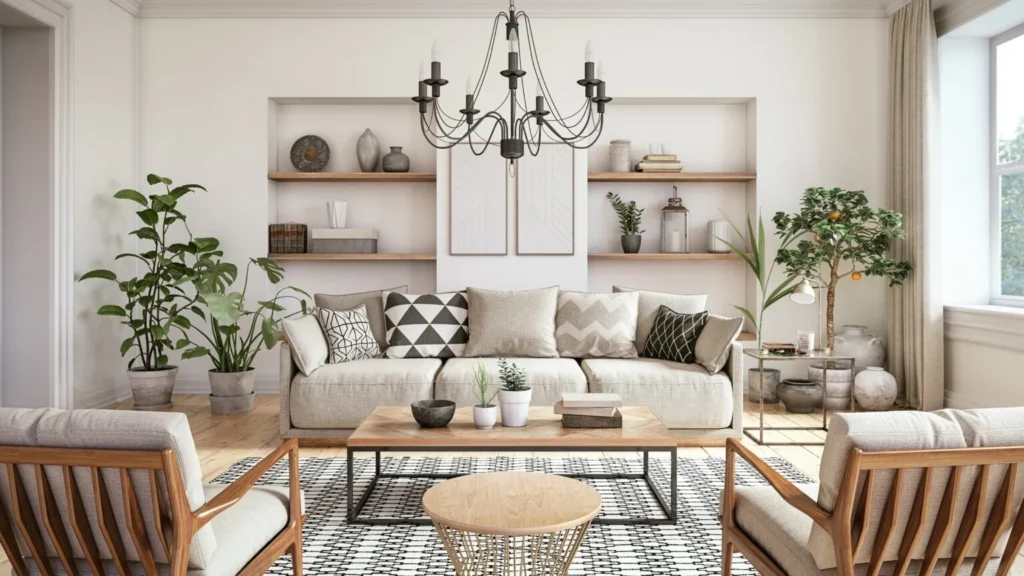
For example, instead of filling a living room with many decorative pieces, Scandinavian design may use one beautiful wooden coffee table, a comfortable sofa, a soft rug, and a few plants.
The result is a space that feels organized, peaceful, and easy to live in.
The Importance of Natural Light
Natural light is one of the most important elements of Scandinavian interior design.
Because Nordic countries experience long periods of darkness during winter, designers developed techniques to make homes feel brighter.
Common features include:
- Large windows
- Light-colored walls
- Open layouts
- Minimal window coverings
- Reflective surfaces
White, cream, beige, and soft gray tones are often used because they reflect sunlight and create a more spacious feeling.
Natural lighting does more than improve appearance. Bright interiors can also influence mood, productivity, and overall comfort.
This focus on light is one reason Scandinavian design works especially well in apartments and smaller homes.
Natural Materials: Bringing the Outdoors Inside
A strong connection with nature is a defining feature of Scandinavian homes.
Instead of relying heavily on artificial materials, Scandinavian interiors often include:
- Wood
- Stone
- Wool
- Linen
- Leather
- Cotton
Wood is especially important. Light-colored woods such as:
- Oak
- Pine
- Birch
- Ash
are commonly used for:
- Flooring
- Tables
- Cabinets
- Chairs
- Decorative details
These materials add warmth and texture, preventing minimalist spaces from feeling empty.
Plants are also popular in Scandinavian homes because they introduce natural color and improve the connection between indoor and outdoor environments.
Functionality: Beauty With a Purpose
Scandinavian design follows the belief that good design should improve everyday life.
Every piece of furniture should serve a practical purpose.
Examples include:
- Storage benches
- Modular shelves
- Foldable tables
- Multi-purpose furniture
- Built-in cabinets
This approach is especially useful in modern urban homes where space is limited.
A Scandinavian bedroom may include a simple bed, hidden storage solutions, and a small reading corner instead of unnecessary furniture.
The goal is to make daily routines easier while maintaining visual harmony.
Hygge: The Scandinavian Art of Comfort
One of the most famous concepts connected with Scandinavian lifestyle is hygge.
Originally from Denmark, hygge represents a feeling of comfort, warmth, and happiness created through simple moments.
In interior design, hygge appears through:
- Soft blankets
- Comfortable cushions
- Warm lighting
- Candles
- Natural textures
- Cozy seating areas
A Scandinavian living room is designed not only to look attractive but also to encourage relaxation and connection.
A simple evening with a warm drink, soft lighting, and comfortable surroundings reflects the true meaning of hygge.
Scandinavian Color Palette
The traditional Scandinavian color palette is calm and neutral.
Popular colors include:
- White
- Beige
- Light gray
- Soft blue
- Sage green
- Warm earth tones
These colors create a peaceful atmosphere and allow natural materials to stand out.
However, modern Scandinavian interiors often include subtle accent colors through:
- Artwork
- Cushions
- Rugs
- Decorative objects
The key is balance. Colors should enhance the room without overpowering the minimalist feeling.
Sustainability in Scandinavian Interior Design
Sustainability has become an increasingly important part of Scandinavian design.
The philosophy focuses on buying fewer but better-quality items that last for many years.
Sustainable Scandinavian interiors often include:
- Responsibly sourced wood
- Recycled materials
- Handmade products
- Long-lasting furniture
- Energy-efficient solutions
This approach reduces waste and encourages more conscious consumption.
Instead of replacing furniture frequently, Scandinavian design encourages homeowners to invest in timeless pieces that can remain beautiful for decades.
Scandinavian Furniture: Simple Shapes, Maximum Comfort
Furniture plays a central role in Scandinavian interiors.
Typical characteristics include:
- Smooth curves
- Simple shapes
- Functional designs
- High-quality craftsmanship
Popular Scandinavian furniture features:
- Wooden legs
- Neutral upholstery
- Natural fabrics
- Comfortable proportions
The style avoids excessive decoration and focuses on creating furniture that is both attractive and practical.
Scandinavian Design for Different Rooms
Scandinavian Living Room
A Scandinavian living room usually includes:
- A comfortable sofa
- Wooden coffee table
- Soft textiles
- Minimal decoration
- Indoor plants
The goal is to create a welcoming space for relaxation and socializing.
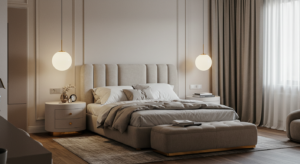
Scandinavian Bedroom
A Scandinavian bedroom focuses on rest and simplicity.
Common elements include:
- Neutral bedding
- Natural fabrics
- Wooden furniture
- Soft lighting
- Minimal accessories
The atmosphere should feel calm and peaceful.
Scandinavian Kitchen
Scandinavian kitchens are known for:
- Clean cabinets
- Functional storage
- Natural wood details
- Bright surfaces
- Practical layouts
They combine modern efficiency with a warm, inviting atmosphere.
Why Scandinavian Interior Design Is Still Popular
The popularity of Scandinavian design continues because it matches modern needs.
People today are searching for homes that provide:
- Less stress
- More organization
- Better comfort
- Sustainable living
- Connection with nature
Scandinavian interiors offer a solution by creating spaces that feel peaceful without being impractical.
This design style works equally well in:
- Small apartments
- Family homes
- Modern houses
- Luxury properties
Its flexibility is one of the reasons it remains popular worldwide.
Tips for Creating a Scandinavian Home
If you want to introduce Scandinavian design into your home, start with these simple steps:
1. Remove Unnecessary Clutter
Keep only items that are useful or meaningful.
2. Choose Neutral Colors
Use whites, beige, gray, and soft natural shades.
3. Add Natural Materials
Introduce wooden furniture, wool blankets, and linen fabrics.
4. Improve Lighting
Use natural light whenever possible and add warm lamps.
5. Focus on Quality
Choose fewer pieces with better craftsmanship.
6. Add Greenery
Plants bring freshness and balance to Scandinavian interiors.
Conclusion
Scandinavian interior design is much more than a decorating trend. It represents a way of creating homes that support comfort, simplicity, and mindful living.
By combining natural materials, functional furniture, soft colors, and cozy details, Scandinavian interiors create spaces that feel peaceful and timeless.
Whether you live in a small apartment or a large house, the principles of Scandinavian design can help transform your home into a place that feels organized, welcoming, and connected to nature.
The true beauty of Scandinavian design is not about having more — it is about choosing what truly matters.