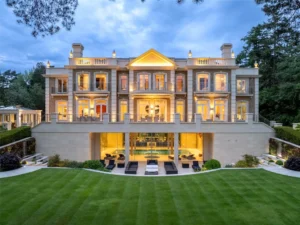
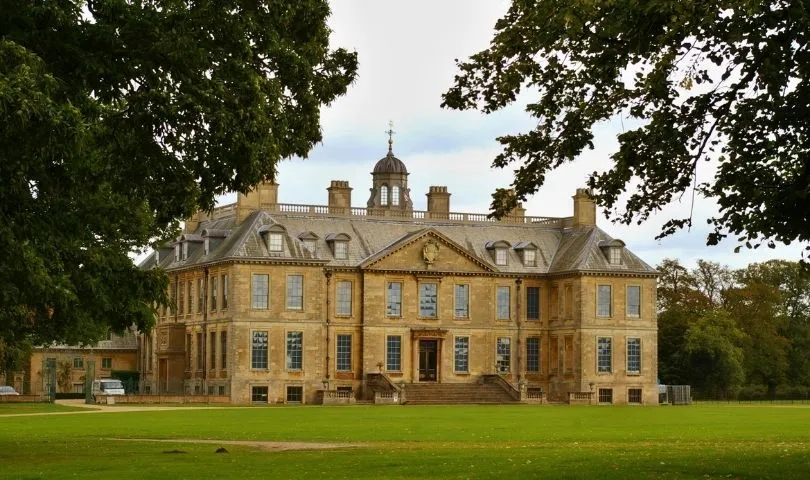

A stately home is more than just a luxury property—it is a piece of living history. These grand residences, often surrounded by beautiful gardens, woodlands, and expansive estates, represent centuries of architecture, craftsmanship, and heritage. From magnificent Georgian mansions to elegant Victorian country houses, stately homes for sale attract buyers who dream of owning a unique property with character, prestige, and timeless appeal.
Unlike modern luxury houses built purely for comfort, stately homes combine historical significance with exceptional design. Many have hosted influential families, political figures, artists, and important cultural events, making them truly remarkable places to live.
Today, buyers searching for stately homes for sale are not only looking for impressive architecture but also opportunities to create a private retreat, establish a family legacy, or invest in a valuable heritage property.
This guide explores everything you need to know before purchasing a stately home, including history, features, costs, restoration challenges, investment potential, and lifestyle benefits.
What Is a Stately Home?
A stately home is a large historic residence traditionally associated with wealthy families, aristocracy, and landowners. These properties usually feature impressive architecture, extensive grounds, and significant historical value.
Although the term is most commonly linked with British country estates, similar properties exist throughout Europe and other parts of the world.
Typical characteristics of stately homes include:
- Grand entrances and impressive façades
- Large reception rooms and formal dining areas
- Historic fireplaces and decorative interiors
- Libraries, ballrooms, and galleries
- Expansive gardens and landscaped grounds
- Additional buildings such as cottages, stables, and guest houses
Many stately homes for sale today combine original historic details with modern upgrades, creating a balance between heritage and contemporary luxury.
The History Behind Stately Homes
Origins of Grand Estates
The tradition of building stately homes developed primarily between the 16th and 19th centuries. Wealthy landowners constructed these impressive residences to demonstrate social status, influence, and prosperity.
Architectural styles evolved over time, creating a diverse range of stately properties.
Georgian Stately Homes
Built during the Georgian era, these homes are known for:
- Symmetrical designs
- Large windows
- Classical proportions
- Elegant interiors
Victorian Country Houses
Victorian estates often feature:
- Decorative stonework
- Gothic influences
- Elaborate gardens
- Detailed craftsmanship
Tudor and Medieval Estates
Older stately homes may include:
- Timber framing
- Historic towers
- Ancient fireplaces
- Defensive architectural elements
Many historic estates available today still preserve these unique features, making them highly desirable among luxury property buyers.
Why Are Stately Homes So Popular?
The demand for stately homes for sale continues because they offer something modern properties rarely provide: history, personality, and exclusivity.
Unique Architectural Beauty
Every stately home has its own identity. Handmade woodwork, ornate ceilings, stone carvings, and traditional craftsmanship create an atmosphere impossible to replicate in newly built homes.
Privacy and Space
Unlike city properties, stately homes often provide:
- Private gardens
- Large acreage
- Woodland areas
- Lakes or rivers
- Peaceful surroundings
For buyers seeking privacy and tranquillity, these estates offer an unmatched living experience.
Historical Value
Owning a stately home means becoming part of its story. Many owners feel a responsibility to protect and preserve these properties for future generations.
How to Find Stately Homes for Sale
Finding the right estate requires research and patience. These properties are often marketed through specialist luxury property agencies, heritage property networks, and private sales.
When searching for a stately home, consider the following factors:
Location
Location significantly affects both lifestyle and investment value.
Important considerations include:
- Distance from major cities
- Transport connections
- Local amenities
- Surrounding landscape
- Tourism potential
A countryside estate near a major city may offer better long-term value compared with a remote property.
Architectural Style
Choose a style that matches your preferences:
- Georgian elegance
- Victorian grandeur
- Tudor character
- Modernized historic estates
Understanding architectural features helps buyers appreciate the property’s true value.
Condition of the Property
Not all stately homes for sale are ready for immediate occupation.
Properties usually fall into three categories:
Fully Restored Estates
These homes have:
- Updated systems
- Preserved interiors
- Modern facilities
Partially Renovated Properties
These require improvements but already have strong historic features.
Restoration Projects
These offer opportunities for buyers who want to personally transform a historic estate.
Financial Considerations When Buying a Stately Home
Buying a stately home requires careful financial planning. The purchase price is only one part of the overall investment.
Purchase Price
Prices vary greatly depending on:
- Location
- Size of estate
- Historical importance
- Land ownership
- Condition
A smaller historic manor may be affordable compared with a major estate, while famous heritage properties can command significant prices.
Maintenance Costs of Stately Homes
One of the biggest responsibilities of owning a stately home is maintenance.
Common expenses include:
Structural Repairs
Older properties may require:
- Roof restoration
- Stone repairs
- Window restoration
- Foundation maintenance
Interior Preservation
Historic interiors often need specialist care, including:
- Wood restoration
- Wallpaper preservation
- Fireplace repairs
- Decorative ceiling maintenance
Grounds Management
Large estates require ongoing care for:
- Gardens
- Trees
- Pathways
- Lakes
- Outdoor structures
Future owners should create a realistic annual maintenance budget before purchasing.
Insurance and Property Taxes
Because of their size and historical value, stately homes often have higher insurance requirements.
Owners should consider:
- Specialist heritage insurance
- Building protection coverage
- Liability insurance for events or visitors
- Local property taxes
Professional advice is recommended before completing a purchase.
Turning a Stately Home Into an Investment
Many owners generate income from their estates to support maintenance costs.
Popular revenue opportunities include:
Wedding and Event Venue
Large halls, gardens, and scenic landscapes make stately homes attractive wedding locations.
Luxury Accommodation
Some estates operate as:
- Boutique hotels
- Luxury holiday rentals
- Exclusive retreats
Film and Television Locations
Historic properties are often used for:
- Movies
- TV dramas
- Photography projects
Agricultural Income
Large estates may generate revenue through:
- Farmland leasing
- Farming operations
- Equestrian facilities
Restoring a Stately Home: Challenges and Opportunities
Restoration is one of the most rewarding aspects of owning a historic estate, but it requires careful planning.
Common Restoration Challenges
Owners may need to address:
- Outdated electrical systems
- Old plumbing
- Heating upgrades
- Damp problems
- Structural repairs
The challenge is preserving historic character while improving everyday comfort.
Adding Modern Luxury Without Losing Character
Modern improvements can make a stately home more enjoyable while respecting its heritage.
Popular upgrades include:
Modern Kitchens
Luxury kitchens can include:
- Premium appliances
- Traditional designs
- Smart technology
Energy Efficiency
Owners increasingly add:
- Renewable energy systems
- Better insulation
- Efficient heating solutions
Smart Home Features
Technology can improve:
- Security
- Lighting
- Climate control
- Entertainment systems
Lifestyle Benefits of Owning a Stately Home
Living in a stately home offers a lifestyle unlike ordinary residential properties.
Entertaining Guests
These homes are perfect for:
- Family celebrations
- Formal dinners
- Cultural events
- Private gatherings
Large reception rooms and outdoor spaces create unforgettable experiences.
Enjoying Nature
Many estates provide opportunities for:
- Gardening
- Walking trails
- Horse riding
- Outdoor activities
The connection with nature is one of the biggest attractions for buyers.
Creating a Family Legacy
A stately home can become a long-term family asset passed through generations.
Many owners view preservation as a responsibility rather than simply ownership.
FAQ
Are stately homes expensive to maintain?
Yes. Due to their size, age, and historical features, maintenance costs can be significantly higher than standard homes. Proper budgeting is essential.
Can you renovate a historic stately home?
Yes, but many properties have preservation rules. Renovations usually need to respect the building’s historical importance.
Are stately homes a good investment?
They can be valuable investments, especially when located in desirable areas and properly maintained. Income opportunities can also help offset costs.
Can stately homes be used commercially?
Yes. Many owners generate income through weddings, tourism, hospitality, and film location rentals.
What should I check before buying a stately home?
Important checks include:
- Structural condition
- Renovation requirements
- Running costs
- Legal restrictions
- Land ownership details
Final Thoughts
Owning a stately home is a dream for many people who appreciate history, architecture, and luxury living. These remarkable properties provide far more than accommodation—they offer a connection to the past and an opportunity to preserve something extraordinary.
However, purchasing one requires careful planning, financial preparation, and a commitment to maintenance. Whether you are searching for a restored mansion, a countryside retreat, or a renovation project, stately homes for sale represent one of the most unique opportunities in the luxury property market.
For buyers ready to embrace the responsibility and rewards of historic ownership, a stately home can become not only a beautiful residence but also a lasting legacy for future generations.