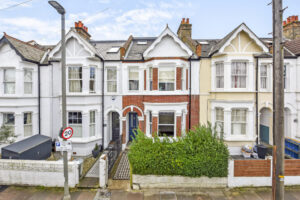
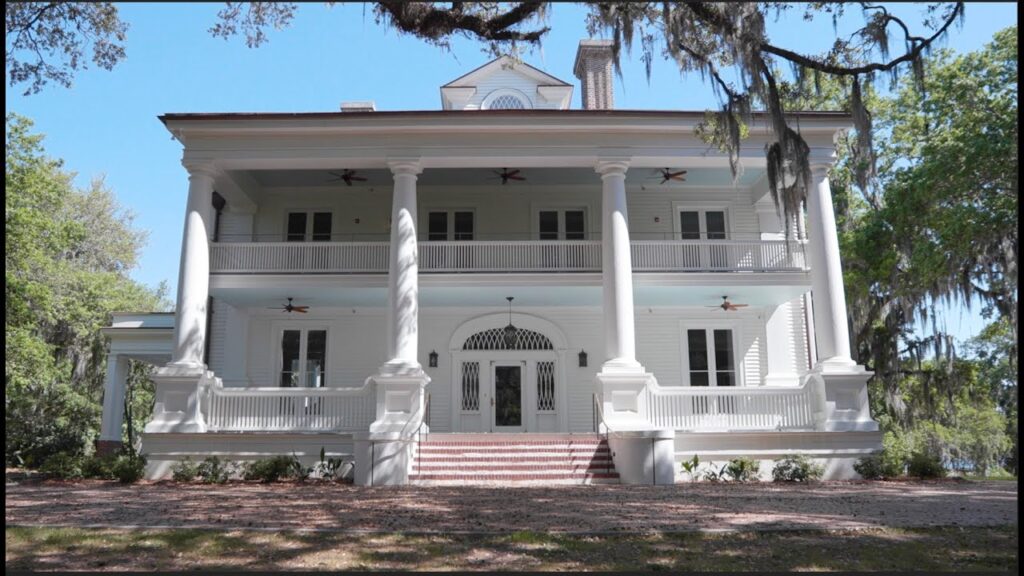

The name Admiral House sounds like a single historic landmark, but that is where the original article needs an important correction: “Admiral House” is not a unique name shared by only one property. Different buildings, residences, businesses, and heritage sites can carry the name, often because of a connection with a naval officer, maritime history, or the title of admiral.
That makes broad claims about one universal Admiral House—such as saying it was definitely built in the early 19th century, designed specifically for naval officers, or used as a strategic naval headquarters—potentially misleading without identifying the exact property.
A better way to understand Admiral House is to look at what the name represents, why historic properties use it, what architectural features may be associated with such buildings, and how heritage properties are preserved and adapted today.
This updated guide separates established historical concepts from assumptions, helping readers understand Admiral House without attributing the history of one property to another.
What Is Admiral House?
Admiral House is a name used for multiple properties rather than one universally recognized building.
In a historical context, the name often suggests a residence associated with an admiral or another senior naval figure. In other cases, it may simply be a traditional property name chosen because of a location’s maritime connections.
This distinction matters when researching a specific Admiral House.
Before accepting claims about its age, architecture, former occupants, or current use, identify:
- The property’s city or region
- Its official or historical name
- Its address
- The person associated with the property
- Its heritage designation, if applicable
- Its current ownership or use
Without those details, it is easy to combine facts from completely different properties.
Why Is It Called Admiral House?
The word Admiral generally indicates a connection with naval history.
Historically, admirals were senior naval commanders, and residences associated with them could acquire names reflecting their rank or occupation.
A property might become known as Admiral House because:
- An admiral lived there.
- It belonged to a naval family.
- It was associated with a naval establishment.
- The building was located near an important naval port.
- The name was adopted later as part of the property’s identity.
The name alone, however, does not prove that an admiral lived in the building.
Historical research should rely on property records, heritage registers, archival material, or other authoritative documentation rather than the name itself.
Admiral House and Maritime Heritage
Where an Admiral House genuinely has a naval connection, its significance can extend beyond the building itself.
Naval residences can provide insight into:
- Military organization
- Social history
- Maritime communities
- Naval administration
- Architecture of the period
- The lives of senior officers and their families
Historic houses are valuable partly because they connect large historical events with everyday life.
A naval officer’s residence, for example, may reveal how military personnel lived between deployments, how households were organized, and how naval institutions interacted with local communities.
Architectural Features to Look For
The architecture of a particular Admiral House depends entirely on its location and construction period.
The original article describes Admiral House as universally combining Georgian and Victorian architecture. That should not be treated as a general fact because different properties called Admiral House may have been built in different periods.
However, a historic British or Commonwealth property with Georgian or Victorian origins may display features such as:
Symmetry
Georgian architecture frequently emphasizes balanced proportions and symmetrical façades.
Tall Windows
Large sash windows were common in many Georgian and Victorian residential buildings, although their exact design varies by period and location.
Decorative Mouldings
Historic interiors may feature cornices, ceiling details, fireplaces, paneling, or carved woodwork.
Large Staircases
More substantial residences sometimes feature formal staircases designed to create an impressive entrance sequence.
High Ceilings
High ceilings can contribute to the spacious appearance associated with many historic houses.
These characteristics should be used to describe a specific property only after its architectural history has been established.
Admiral House as a Heritage Property
If a particular Admiral House has recognized heritage status, preservation can become an important part of its identity.
Heritage conservation is not simply about making an old building look attractive.
It involves protecting elements that contribute to the property’s historical significance.
These may include:
- Original façades
- Structural elements
- Historic windows
- Staircases
- Fireplaces
- Decorative plasterwork
- Timber features
- Historic floor plans
- Gardens and landscape features
The exact elements protected depend on the property’s heritage designation.
How Historic Houses Are Restored
Restoration is often a balancing act between preservation and modern requirements.
An old building may need:
- Electrical upgrades
- Plumbing improvements
- Heating and cooling systems
- Fire protection
- Accessibility improvements
- Structural repairs
- Modern communications infrastructure
The challenge is installing these systems without unnecessarily damaging significant historic features.
Preserve What Matters Most
A sensible restoration project begins by identifying which elements are historically important.
Not every old component necessarily has the same heritage value.
A later alteration may be less significant than an original staircase, façade, fireplace, or decorative feature.
Modern Safety Still Matters
Historic appearance should not come at the expense of safety.
A successful adaptive-reuse project can preserve architectural character while bringing the property up to appropriate modern standards.
Modern Uses of Admiral House
Historic properties often evolve.
Depending on the specific Admiral House, modern uses may include:
- Private residences
- Offices
- Heritage attractions
- Museums
- Hotels
- Event spaces
- Educational facilities
- Government or institutional buildings
Adaptive reuse can help ensure that historic buildings remain occupied and maintained rather than becoming empty structures.
However, not every Admiral House has the same modern function.
Readers should verify the current use of the particular property they are researching.
Admiral House and Tourism
A historic house can become a valuable tourism asset when its history is well documented and presented responsibly.
Visitors are often interested in more than architectural appearance.
They may want to know:
- Who lived there?
- When was it constructed?
- What historical events occurred there?
- How has it changed?
- What original features remain?
- Why is the building important today?
This historical context can turn a visually attractive building into a meaningful heritage experience.
What Makes a Heritage Visit More Valuable?
A strong heritage experience usually combines:
- Reliable historical information
- Interpretation of the architecture
- Stories about former occupants
- Preservation of original features
- Context about the surrounding community
The building becomes more than a photograph—it becomes a way of understanding the past.
Living in a Historic Admiral House
If an Admiral House has been converted into residential accommodation, living there can offer an unusual combination of historic character and modern convenience.
Potential advantages include:
- Original architectural details
- High ceilings
- Large windows
- Character features
- Established surroundings
- A strong sense of history
But historic properties can also require more maintenance than modern buildings.
Potential considerations include:
- Older plumbing
- Heating efficiency
- Insulation
- Heritage restrictions
- Specialist repairs
- Older windows
- Limited parking
- Irregular room layouts
Historic character is valuable, but buyers should evaluate the practical condition of the building as carefully as its appearance.
Buying or Investing in a Historic Property
The original article makes a strong claim that owning Admiral House is automatically a wise investment. That is too broad.
Historic properties can be desirable, but heritage status does not guarantee financial appreciation.
Before purchasing a historic property, buyers should investigate:
Property Condition
A beautiful façade can hide expensive structural or mechanical problems.
Maintenance Costs
Specialist materials and conservation techniques can increase repair expenses.
Planning Restrictions
Listed or protected buildings may have restrictions affecting renovations, extensions, windows, façades, or internal features.
Location
Location remains a major factor in property value regardless of historical significance.
Insurance
Historic construction can sometimes require specialist insurance or careful valuation.
Future Use
A property’s commercial or residential potential depends on planning rules and its physical layout.
The right investment decision comes from examining the complete property rather than relying on its historical name.
Admiral House in Popular Culture
Historic houses often attract writers, photographers, filmmakers, and artists because period architecture provides an immediate sense of atmosphere.
However, claims that a particular Admiral House appeared in a film, television program, or literary work should be verified individually.
A building’s visual resemblance to a famous location does not mean it was actually used as a filming location.
For accurate research, distinguish between:
- Confirmed filming locations
- Reported locations
- Fictional settings
- Buildings that merely resemble the property
This is especially important when researching heritage properties online, where repeated claims can sometimes become accepted as fact without reliable documentation.
How to Research a Specific Admiral House
Because the name is not unique, researchers should follow a simple verification process.
Step 1: Identify the Location
Start with the town, city, country, or region.
Step 2: Confirm the Exact Name
Check whether the official name is “Admiral House,” “The Admiral House,” or another historical variation.
Step 3: Identify the Associated Person
If the property is supposedly connected to an admiral, verify the individual’s full name and dates.
Step 4: Check Heritage Records
Look for official heritage listings or historical registers where applicable.
Step 5: Compare Historical Sources
Do not rely on a single modern article for important historical claims.
Step 6: Establish the Current Use
A historic property may have changed ownership or purpose several times.
This approach prevents facts from different Admiral Houses from being accidentally combined.
Common Myths About Admiral House
Myth 1: There Is Only One Admiral House
There are multiple properties and places that use the name.
Myth 2: The Name Proves an Admiral Lived There
A name can suggest an association but does not establish historical proof.
Myth 3: Every Admiral House Is Georgian
Architecture varies between properties. The construction date and location must be verified individually.
Myth 4: Historic Status Automatically Means High Investment Returns
Heritage value and financial performance are different things.
Myth 5: Restoration Means Rebuilding Everything to Look Old
Authentic conservation generally focuses on understanding and preserving significant historic fabric rather than simply making a modern building look old.
Three Important Insights Often Missed
A historic name is evidence of identity, not proof of history
“Admiral House” may provide a clue about a property’s past, but the name should be the starting point of research—not the conclusion.
Adaptive reuse can be a form of preservation
A historic building that continues to serve a useful purpose is often easier to maintain than an abandoned structure. Modern use can therefore support long-term conservation when handled appropriately.
The surrounding landscape can matter as much as the building
Gardens, walls, entrances, outbuildings, and views can contribute to a property’s historical character. Heritage conservation is sometimes about preserving an entire setting rather than just the main façade.
FAQ
What is Admiral House?
Admiral House is a name used by multiple properties rather than one universally recognized historic building. Some properties with the name have naval or maritime associations, while others may simply use the name as part of their identity. The history of a particular Admiral House should therefore be verified by location and official records.
Why is a building called Admiral House?
The name may refer to an admiral who lived there, a naval connection, a nearby naval establishment, or a later naming decision. The name alone does not prove a specific historical association. Reliable property or heritage records are needed to establish the reason for the name.
Is Admiral House a historic building?
Some properties called Admiral House are historic, but the name itself does not guarantee that a building has heritage status. Construction date, architectural significance, and official designation vary by property. Identifying the location is essential before making a historical assessment.
Can Admiral House be visited?
That depends on which Admiral House is being discussed. Some historic properties may operate as heritage attractions, public buildings, event venues, or businesses, while others are private residences. Visitors should confirm the property’s current ownership and public-access arrangements before planning a visit.
Is Admiral House a good property investment?
There is no universal answer. Historic properties can have strong character and long-term appeal, but they can also involve higher maintenance costs, conservation restrictions, and specialist repairs. Investment potential should be assessed using the specific property’s location, condition, legal restrictions, market value, and future use.
Conclusion
Admiral House is best understood as a name associated with multiple properties rather than a single universally defined landmark. That distinction is important because the architecture, history, ownership, heritage status, and current use can vary considerably from one Admiral House to another.
Where a particular property has a genuine naval connection, it can offer valuable insight into maritime history and the lives of people associated with naval institutions. Its architectural character may also provide evidence of the period in which it was constructed and the social environment in which it developed.
Today, historic houses can serve many purposes—from private residences and offices to museums, heritage attractions, and event spaces. Their continued use can help preserve them, provided modernization is balanced carefully with conservation.
If you are researching a specific Admiral House, the most useful next step is to identify its location. From there, historical records, architectural evidence, heritage listings, and current property information can establish what is genuinely known about the building rather than relying on assumptions attached to the name.