
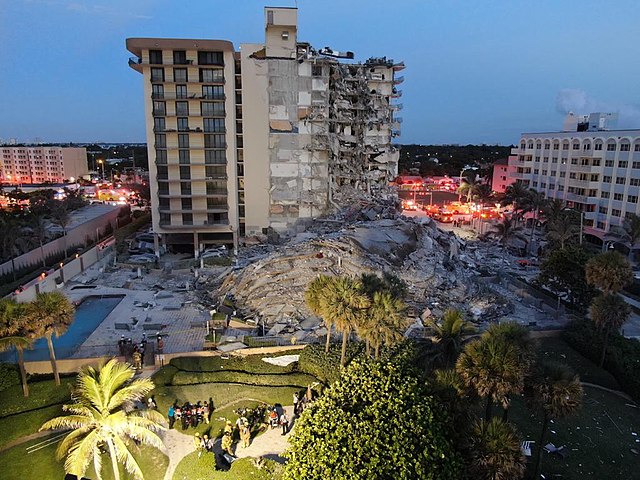

On the morning of June 24, 2021, residents of Champlain Towers South in Surfside, Florida, experienced a disaster that shocked the world. Without warning, part of the 12-story condominium suddenly collapsed, turning homes into a massive field of concrete, dust, and debris. The tragedy claimed nearly 100 lives and raised urgent questions about building safety, inspections, and the hidden problems that can threaten even modern structures.
The Surfside collapse was not just a local disaster—it became a global reminder that buildings require continuous care, proper design, strict regulations, and regular monitoring. Behind every collapsed structure is a complex story involving engineering decisions, maintenance failures, environmental pressures, and sometimes human negligence.
From residential apartments to commercial towers, building collapses continue to occur across the world. While each incident has unique causes, many share common warning signs: ignored damage, weak construction practices, poor oversight, and failure to act before problems become disasters.
This article explores the latest understanding of building collapses, their major causes, historical examples, social impacts, and the modern solutions helping create safer buildings.
The Global Reality of Building Collapses
Buildings are designed to provide safety and shelter, but when structural systems fail, the consequences can be devastating. Every year, hundreds of building collapse incidents occur worldwide, affecting both developed and developing regions.
Accurate global statistics are difficult to collect because many smaller collapses in rural or developing areas are not officially recorded. However, available research shows that thousands of people are affected annually through deaths, injuries, displacement, and financial losses.
Common locations where collapses occur include:
- Rapidly growing urban areas
- Regions with weak construction regulations
- Earthquake-prone zones
- Areas affected by extreme weather
- Locations with aging infrastructure
Developing countries often experience higher numbers of collapses due to rapid urban expansion, limited inspection resources, and illegal construction practices. However, disasters in developed countries prove that wealth and technology alone cannot eliminate structural risks.
The Surfside tragedy demonstrated that aging buildings, delayed repairs, and insufficient monitoring can create serious dangers anywhere.
Why Do Buildings Collapse?
A building collapse is rarely caused by a single problem. In most cases, several failures combine over time until the structure can no longer support itself.
The main causes include:
1. Design and Engineering Failures
A building’s safety begins with its design. Even small mistakes during planning can create serious risks decades later.
Common design problems include:
- Incorrect calculations of structural loads
- Weak foundation planning
- Poor understanding of soil conditions
- Inadequate reinforcement design
- Failure to consider environmental factors
Engineers must calculate how buildings respond to:
- Weight from occupants and furniture
- Wind pressure
- Earthquake forces
- Temperature changes
- Long-term material fatigue
When designs ignore these factors, buildings may develop hidden weaknesses.
2. Poor Construction Quality and Substandard Materials
During construction, cutting costs can create dangerous consequences.
Some common problems include:
- Low-quality concrete
- Weak steel reinforcement
- Incorrect mixing of construction materials
- Poor workmanship
- Failure to follow approved plans
In many collapse investigations, inspectors discover that the final building was significantly different from the original design because contractors ignored safety requirements.
Quality control during construction is one of the most important defenses against structural failure.
3. Lack of Maintenance and Aging Infrastructure
Buildings are not permanent structures that can be ignored after completion. Like cars or machines, they require regular inspection and maintenance.
Over time, buildings experience:
- Concrete deterioration
- Water damage
- Metal corrosion
- Cracks in structural components
- Foundation problems
In the case of Champlain Towers South, investigators identified concerns about concrete deterioration and water-related damage years before the collapse. The disaster highlighted the importance of addressing structural warnings immediately.
A small crack today can become a major failure tomorrow if ignored.
4. Natural Disasters and Extreme Weather
Nature can place enormous pressure on buildings.
Major threats include:
Earthquakes
Earthquakes create powerful horizontal forces that can overwhelm buildings not designed for seismic activity.
Examples include:
- The 2010 Haiti earthquake, which caused widespread building destruction
- The 2011 Japan earthquake, which tested advanced construction systems
Flooding and Storms
Water can weaken foundations, damage materials, and increase collapse risks.
Climate change has increased concerns about:
- Stronger storms
- Rising sea levels
- Flood damage
- Extreme weather events
Modern buildings increasingly need designs that can withstand changing environmental conditions.
5. Human Error, Negligence, and Corruption
Many building failures are not caused by engineering limitations but by human decisions.
Examples include:
- Ignoring safety regulations
- Approving unsafe structures
- Skipping inspections
- Using cheaper materials to increase profits
- Illegal modifications after construction
When safety becomes secondary to cost savings or speed, the risk of disaster increases dramatically.
Major Building Collapse Case Studies
The collapse of Champlain Towers South became one of the most significant building disasters in modern American history.
The 12-story condominium partially collapsed during the early morning hours of June 24, 2021. The disaster resulted in 98 deaths and triggered worldwide discussions about aging buildings and inspection systems.
Investigations identified several contributing factors, including:
- Long-term structural deterioration
- Concrete damage
- Water intrusion
- Delayed repairs
The tragedy led many cities to review inspection requirements for older buildings.
Rana Plaza Collapse – Bangladesh (2013)
The Rana Plaza disaster remains one of the deadliest industrial building collapses in history.
The eight-story building in Savar, Bangladesh, collapsed on April 24, 2013, killing more than 1,100 people and injuring thousands more.
Major contributing factors included:
- Unauthorized additional floors
- Structural cracks ignored before collapse
- Excessive building loads
- Poor safety enforcement
The disaster led to international pressure for improved workplace safety standards in the garment industry.
Building Collapse in Pakistan and South Asia
South Asian countries have experienced numerous building failures linked to:
- Rapid urban development
- Weak enforcement of building codes
- Poor-quality materials
- Unauthorized construction
In many cities, population growth has increased pressure to construct buildings quickly, sometimes without proper engineering oversight.
Improving inspection systems and enforcing construction standards remain major priorities for reducing future risks.
The Human and Economic Impact of Building Collapses
A collapsed building represents more than damaged concrete and steel—it destroys lives, families, and communities.
Human Consequences
Victims and survivors often face:
- Loss of family members
- Serious injuries
- Emotional trauma
- Loss of homes
- Long-term displacement
Communities may struggle for years after a major disaster as they rebuild their lives.
Economic Damage
Building collapses create enormous financial costs, including:
- Emergency rescue operations
- Demolition expenses
- Legal battles
- Insurance claims
- Property value losses
- Reconstruction costs
Businesses located inside collapsed buildings can also lose equipment, income, and customer trust.
Modern Solutions to Prevent Building Collapses
Although building failures continue to occur, technology and better regulations are making structures safer.
Stronger Building Codes and Inspections
Effective building regulations are one of the strongest tools for preventing disasters.
Successful systems focus on:
- Regular structural inspections
- Strict construction approval processes
- Independent safety reviews
- Penalties for violations
Cities with strong enforcement generally experience fewer catastrophic failures.
Structural Health Monitoring Technology
Modern technology allows engineers to monitor buildings continuously.
Advanced systems can detect:
- Unusual movement
- Structural stress
- Concrete deterioration
- Foundation changes
Sensors installed inside buildings can provide early warnings before serious damage occurs.
Building Information Modeling (BIM)
BIM technology creates detailed digital models of buildings before and after construction.
It helps engineers:
- Identify design problems
- Improve coordination
- Plan maintenance
- Predict future risks
Digital monitoring is becoming an important part of modern construction safety.
Artificial Intelligence and Smart Building Safety
Artificial intelligence is also entering the construction industry.
AI systems can analyze:
- Inspection images
- Sensor data
- Structural patterns
- Maintenance records
This allows engineers to identify possible failures earlier and make better decisions.
Public Awareness and Emergency Preparedness
Building safety is not only the responsibility of engineers and governments. Residents also play an important role.
People should pay attention to warning signs such as:
- Large cracks
- Water leaks
- Unusual building movement
- Damaged concrete
- Strange sounds
Reporting problems early can save lives.
The Future of Safer Buildings
The future of construction depends on combining engineering knowledge, technology, strict regulations, and responsible decision-making.
Buildings should not only be designed for today—they must remain safe for decades.
The lessons from Surfside, Rana Plaza, and other tragedies show that collapses are often preventable. The warning signs usually appear long before disaster strikes. The challenge is recognizing those signs and taking action.
Conclusion
Building collapses are among the most tragic failures in modern society, but they are not unavoidable. Every collapse teaches valuable lessons about engineering, responsibility, and the importance of safety.
Through stronger construction standards, regular inspections, advanced technology, and public awareness, communities can reduce risks and protect lives.
A building should be more than a structure made of concrete and steel—it should be a place where people feel safe. Finding the hidden cracks before they become disasters is a responsibility shared by governments, engineers, builders, and everyone who lives inside these structures.