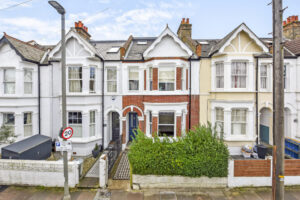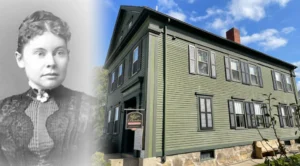


A Victorian house is more than an old home with decorative woodwork and a steep roof. It represents a broad period of architectural development that took place during the reign of Queen Victoria, from 1837 to 1901. During these decades, architects experimented with Gothic, Italianate, classical, and other influences, creating homes that could look dramatically different from one another.
Victorian houses are especially recognizable for their elaborate façades, tall windows, decorative trim, steep or complex rooflines, porches, bay windows, and richly detailed interiors. Many were built during a period when industrial manufacturing made architectural decoration more affordable and widely available.
Today, Victorian homes remain popular because they combine historical character with generous room sizes, distinctive layouts, and craftsmanship that is difficult to reproduce in modern construction.
What Is a Victorian House?
A Victorian house is a home built during the Victorian era, particularly between 1837 and 1901 in Britain. However, the term is also widely used for houses constructed during roughly the same period in countries such as the United States, Canada, Australia, and New Zealand.
An important point is that Victorian architecture is not one single architectural style. It describes an era that included numerous styles and architectural influences.
For example, a Victorian-era house might feature:
- Gothic Revival architecture
- Italianate detailing
- Queen Anne characteristics
- Second Empire influences
- Stick-style decoration
- Vernacular regional designs
This explains why two houses described as Victorian can look completely different.
History of Victorian Houses
Victorian architecture developed during a period of major social, economic, and technological change.
The Industrial Revolution transformed construction. New manufacturing techniques made items such as decorative brackets, patterned tiles, cast-iron components, window glass, wallpaper, and architectural trim easier to produce.
At the same time, expanding cities created demand for housing. A growing middle class wanted homes that demonstrated prosperity and social status, while architects and builders had access to a much larger range of manufactured decorative materials.
Why Victorian houses became so decorative
Earlier architectural traditions often relied heavily on local materials and skilled craftsmen. Victorian construction increasingly combined traditional craftsmanship with industrial production.
This created an interesting balance:
- Handmade details could still be extremely elaborate.
- Factory-made components could reproduce decorative patterns at scale.
- Improved transportation allowed building materials to travel farther.
- Mass-produced glass allowed larger windows.
- New manufacturing techniques expanded the possibilities for exterior ornamentation.
The result was an architectural culture that often celebrated variety, decoration, texture, and visual complexity.
Main Characteristics of a Victorian House
Although Victorian homes vary considerably, several features appear frequently.
1. Steep and Complex Rooflines
Many Victorian houses have steeply pitched roofs, gables, dormers, towers, or multiple intersecting roof sections.
These rooflines were not simply decorative. They could also help create additional attic space and make the building visually more dramatic.
2. Decorative Exterior Trim
Wooden brackets, carved details, patterned shingles, bargeboards, cornices, and other decorative elements are common.
In some Queen Anne houses, for example, different materials and textures may appear across a single façade.
3. Bay and Bow Windows
Bay windows project outward from the main wall of a building, creating additional interior space and allowing more natural light into a room.
Bow windows are similar but use a curved arrangement of windows rather than the more angular form of a traditional bay.
4. Tall Windows
Victorian houses frequently feature tall windows with multiple panes, decorative surrounds, stained glass, or elaborate frames.
Depending on the architectural style, windows may have pointed arches, rounded tops, or highly decorative surrounds.
5. Porches and Verandas
Large front porches are particularly associated with many Victorian houses, especially Queen Anne examples.
A porch could provide shade, outdoor seating, and a transition between the street and the private interior.
6. Asymmetrical Floor Plans and Façades
Victorian architecture often moved away from strict symmetry.
A house might combine:
- A projecting bay
- A side tower
- Different roof heights
- Multiple gables
- A recessed entrance
- An irregular floor plan
This creates the layered appearance many people associate with Victorian architecture.
Major Types of Victorian Houses
Because Victorian architecture includes several styles, understanding the major substyles makes it easier to identify a particular home.
Gothic Revival
Gothic Revival drew inspiration from medieval European architecture.
Typical features include:
- Pointed arches
- Steep roofs
- Tall narrow windows
- Decorative tracery
- Gables
- Towers or turrets
- Elaborate woodwork
Gothic Revival homes often have a dramatic, almost medieval appearance.
Italianate
Italianate architecture was inspired by Italian villas and became especially popular during the 19th century.
Common features include:
- Tall, narrow windows
- Low-pitched roofs
- Wide overhanging eaves
- Decorative brackets
- Cupolas or towers
- Balanced but richly ornamented façades
Italianate houses can look substantially different from the steep-roofed Gothic examples, despite both being Victorian-era homes.
Queen Anne
Queen Anne is arguably the most recognizable Victorian style, particularly in the United States.
Typical characteristics include:
- Towers and turrets
- Wraparound porches
- Bay windows
- Irregular rooflines
- Decorative shingles
- Multiple exterior textures
- Elaborate woodwork
- Asymmetrical façades
Queen Anne houses often use several decorative elements at once, producing a highly individual appearance.
Second Empire
Second Empire architecture is strongly associated with the mansard roof, which has two slopes on each side and allows additional usable space beneath the roof.
Other features can include:
- Dormer windows
- Elaborate cornices
- Decorative brackets
- Towers
- Formal façades
The style was influenced by architecture associated with France during the Second French Empire.
Stick Style
Stick Style emphasizes wooden structural elements and decorative boards.
Exterior features can include:
- Vertical and horizontal wooden strips
- Decorative trusses
- Exposed-looking framework
- Steep roofs
- Porches and balconies
The style is less ornate than some Queen Anne houses but remains distinctly Victorian in its use of wood and geometric decoration.
Victorian House Interior Design
The visual character of a Victorian home continues indoors.
High ceilings, large windows, fireplaces, decorative woodwork, and detailed plasterwork were common features, although the exact interior depended heavily on the house’s style, location, construction date, and the wealth of the original owner.
Common Victorian interior features
Ornamental wallpaper:
Floral, botanical, geometric, and damask patterns were popular.
Decorative fireplaces:
Fireplaces often acted as visual focal points and could feature carved wooden or stone mantels.
Woodwork:
Doors, staircases, window surrounds, skirting boards, and built-in elements could contain substantial decorative detail.
Stained glass:
Colored or patterned glass was used in windows, doors, and decorative panels.
High ceilings:
Tall ceilings helped make rooms feel larger and provided space for elaborate plaster decoration.
Decorative lighting:
Gas fixtures and, later, electric lighting introduced new opportunities for chandeliers and ornamental fixtures.
Victorian House Colors
One common misconception is that every Victorian house should be painted in dark, muted colors.
In reality, Victorian exterior color schemes varied considerably according to location, architectural style, period, and available materials.
Some historically inspired restorations use multiple contrasting colors to highlight:
- Window surrounds
- Gables
- Brackets
- Cornices
- Decorative trim
- Shingles
- Doors
This approach is sometimes called a polychromatic or “painted lady” treatment, particularly when several strong colors are used on an elaborate façade.
However, homeowners restoring a historic property should research the specific house rather than automatically choosing the most colorful palette possible.
Victorian House Floor Plans
Victorian floor plans vary enormously.
Many larger houses were designed with several distinct rooms rather than the open-plan layouts common in newer homes.
A traditional Victorian house might include:
- Entrance hall
- Formal parlor
- Dining room
- Kitchen
- Secondary sitting or family room
- Bedrooms
- Servant or utility spaces
- Attic rooms
- Multiple staircases or corridors
This room-by-room arrangement can be attractive to homeowners who prefer separate spaces for different activities.
However, it can also create practical challenges for modern families.
For example, removing walls to create an open-plan kitchen and living area may dramatically change the architectural character of a historic property.
Why Victorian Houses Are Still Popular
Victorian homes remain desirable for several reasons.
Architectural character
Modern construction can reproduce decorative elements, but original Victorian homes often contain craftsmanship and materials that are difficult to replicate.
Unique layouts
Unlike developments where dozens of houses may share nearly identical floor plans, Victorian properties are often highly individual.
Historical significance
A well-preserved Victorian home provides a direct connection to the architectural and social history of its period.
Large windows and high ceilings
These features can create rooms with an impressive sense of space and natural light.
Restoration potential
For buyers interested in renovation, Victorian properties offer opportunities to restore original features while introducing carefully chosen modern improvements.
The Challenges of Owning a Victorian House
The charm comes with responsibilities.
A Victorian property may require more maintenance than a modern home, particularly if many original features remain.
Potential issues include:
- Aging plumbing
- Outdated electrical systems
- Roof deterioration
- Wood rot
- Poor insulation
- Drafty windows
- Damp or moisture problems
- Foundation movement
- Deteriorating exterior paint
- Inappropriate previous renovations
The key is to distinguish between cosmetic problems and structural problems.
A peeling interior wall can be relatively straightforward to address. A damaged roof, serious moisture intrusion, or structural movement requires much more careful investigation.
How to Restore a Victorian House
Restoring a Victorian home successfully is usually about finding the right balance between preservation and modern living.
1. Document the house first
Before removing anything, photograph and document existing features.
Look carefully at:
- Doors
- Windows
- Flooring
- Moldings
- Staircases
- Fireplaces
- Hardware
- Built-in furniture
- Decorative plasterwork
Original features may be valuable from both a historical and architectural perspective.
2. Repair before replacing
A damaged original window does not automatically need to be thrown away.
In many situations, repairing an existing feature preserves more historic character than replacing it with a modern imitation.
The same principle can apply to doors, flooring, trim, fireplaces, and other architectural elements.
3. Upgrade systems discreetly
Modern homeowners need safe electrical systems, efficient heating, plumbing, insulation, and sometimes air conditioning.
These improvements can often be introduced without destroying historically important features.
The goal is not to freeze a house in the 19th century. The goal is to make it comfortable and safe while respecting what makes it historically significant.
4. Investigate moisture problems
Moisture is one of the biggest threats to older buildings.
Before undertaking cosmetic restoration, check:
- Roof drainage
- Gutters
- Downpipes
- Exterior walls
- Basement areas
- Window frames
- Plumbing
- Ground drainage
Painting over a moisture problem may make the house look better temporarily while allowing the underlying damage to continue.
Victorian House vs. Modern House
The differences are not simply about appearance.
| Feature | Victorian House | Modern House |
|---|---|---|
| Design | Highly varied and decorative | Often simpler and more minimal |
| Floor plan | Frequently divided into rooms | Often open-plan |
| Ceilings | Often high | Usually lower or standardized |
| Windows | Large, detailed, sometimes single-glazed | Usually energy-efficient glazing |
| Materials | Timber, brick, stone, plaster and decorative elements | Wide range of engineered materials |
| Maintenance | Often higher | Generally easier |
| Character | Strong historical identity | Contemporary appearance |
| Energy efficiency | May require upgrades | Usually designed to modern standards |
Neither approach is automatically better.
A Victorian house may appeal to someone who values character and architectural detail, while a modern home may be better suited to someone who prioritizes efficiency, low maintenance, and flexible open-plan living.
How Much Does It Cost to Maintain a Victorian House?
There is no universal maintenance cost because Victorian properties vary dramatically.
A small terraced house in good condition can have very different expenses from a large detached Queen Anne property requiring roof, masonry, window, and electrical work.
Before purchasing a Victorian property, budget for more than the asking price.
A practical inspection should consider:
- Roof condition
- Chimneys
- Gutters
- Exterior masonry
- Timber
- Windows
- Electrical system
- Plumbing
- Heating
- Insulation
- Damp
- Foundation or structural movement
For a major purchase, a survey by someone experienced with older buildings can be much more valuable than relying solely on a standard visual inspection.
Modernizing a Victorian House Without Losing Its Character
The best renovations usually respect the original architecture while solving modern problems.
For example, instead of removing every interior wall, a homeowner might preserve the main formal rooms while improving the kitchen separately.
Similarly, modern lighting can be installed without removing decorative ceiling details.
Useful principles include:
- Keep important original features.
- Avoid irreversible alterations when possible.
- Match new materials to the existing architecture.
- Upgrade insulation carefully.
- Improve energy efficiency without damaging historic fabric.
- Use modern appliances in visually compatible ways.
- Research the property’s original appearance before major exterior changes.
The goal should be adaptation rather than erasure.
Common Mistakes When Renovating Victorian Houses
Removing original windows unnecessarily
Replacement windows can change the appearance of a historic façade and may not always provide the expected energy savings.
Creating an oversized open-plan interior
Removing walls can destroy the proportions and room sequence that give a Victorian house its character.
Using inappropriate modern materials
Plastic decorative trim or incompatible exterior finishes can look noticeably out of place on an older building.
Ignoring the exterior envelope
Interior decoration cannot compensate for a leaking roof, damaged gutters, or persistent damp.
Decorating before investigating
It is tempting to begin with wallpaper, paint, flooring, and furniture. However, major structural and moisture problems should be addressed first.
Are Victorian Houses Good Investments?
A Victorian house can be an attractive long-term property, but architectural age alone does not guarantee value.
The most desirable properties often combine:
- Strong architectural character
- Good location
- Sound structural condition
- Well-preserved original features
- Practical room layouts
- Appropriate modernization
- Attractive exterior appearance
A poorly maintained Victorian property can become expensive very quickly.
For buyers, the best question is not simply, “Is this house Victorian?”
A better question is:
“What condition is the building in, and how much will it cost to make it work for modern life?”
That question can prevent expensive surprises.
Victorian Houses in Modern Life
Victorian buildings are no longer limited to private residences.
Across many cities, historic properties have been adapted into:
- Boutique hotels
- Bed-and-breakfast accommodations
- Restaurants
- Museums
- Offices
- Studios
- Shops
- Community buildings
Their distinctive architecture can give businesses an identity that would be difficult to create with a generic modern building.
At the same time, adaptation needs to be handled carefully. Excessive alterations can remove the very characteristics that make the property valuable.
FAQ
What makes a house Victorian?
A Victorian house generally refers to a property built during the Victorian era, particularly between 1837 and 1901 in Britain. Victorian architecture includes multiple styles rather than one standardized design. Common features include decorative trim, steep or complex roofs, tall windows, bay windows, porches, and detailed interiors.
What are the most common Victorian house styles?
Major Victorian-era styles include Gothic Revival, Italianate, Queen Anne, Second Empire, and Stick Style. They can look very different from one another. Queen Anne is particularly recognizable for its irregular façades, towers, porches, decorative shingles, and varied textures.
Are Victorian houses difficult to maintain?
They can require more maintenance than modern homes because many contain aging roofs, timber, plumbing, electrical systems, windows, and exterior finishes. However, a well-maintained Victorian house can remain perfectly practical for modern living. Regular inspections and early repairs are usually more cost-effective than allowing small problems to become major ones.
Can you modernize a Victorian house?
Yes. Victorian homes can be modernized with updated heating, electrical systems, insulation, plumbing, kitchens, bathrooms, and other amenities. The challenge is making these improvements without unnecessarily removing historically significant features.
Why are Victorian houses expensive to restore?
Restoration can be expensive because original materials and specialized craftsmanship may be required. Large windows, decorative woodwork, masonry, roofing details, plasterwork, and other features can require skilled repairs. The cost depends heavily on the property’s size, condition, location, and degree of historical preservation.
Is every old house a Victorian house?
No. A house is not Victorian simply because it is old. The term generally relates to buildings constructed during the Victorian period or architecture associated with that era. Earlier Georgian, Regency, or Federal buildings, for example, belong to different architectural periods.
Final Thoughts
The enduring appeal of the Victorian house comes from its combination of history, individuality, craftsmanship, and architectural ambition.
These homes were created during a period of enormous technological and social change, when architects and builders could combine traditional craftsmanship with increasingly sophisticated industrial production. That combination produced everything from restrained Italianate homes to elaborate Queen Anne houses and dramatic Gothic Revival buildings.
For today’s homeowner, owning a Victorian property is both an opportunity and a responsibility. The best approach is not to preserve every feature blindly or modernize everything without restraint. Instead, successful restoration respects the original architecture while making the house safe, comfortable, efficient, and practical for contemporary life.
That balance is what allows a Victorian house to remain more than a piece of architectural history—it allows it to continue functioning as a home.