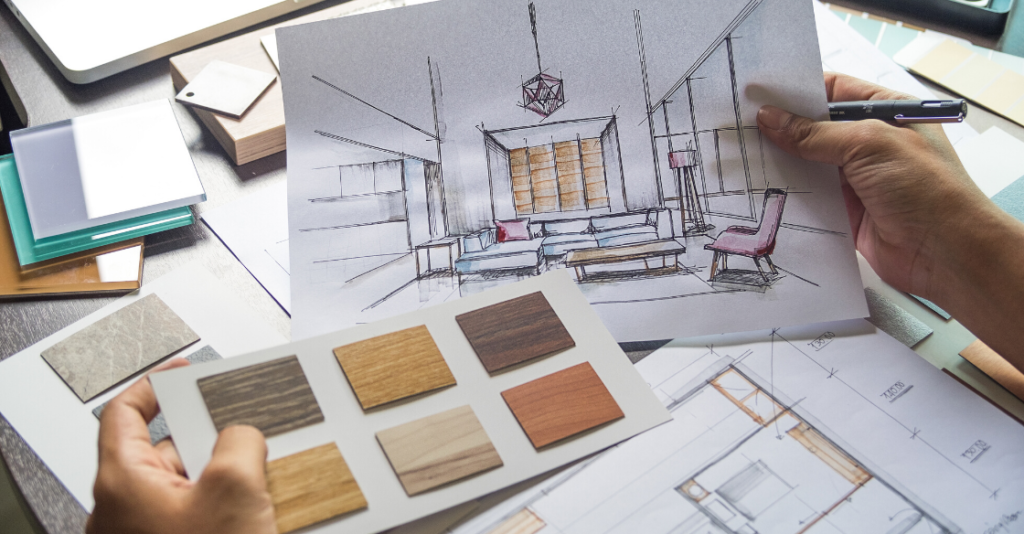

When people hear interior design, they often think about paint colors, furniture, curtains, and decorative accessories. Those things are certainly part of the process, but interior design is much broader than decorating a room.
So, what is interior design? In simple terms, it is the planning and design of interior spaces so they are functional, comfortable, safe, visually cohesive, and appropriate for the people who use them. It combines creative thinking with space planning, materials, lighting, ergonomics, technical knowledge, and an understanding of how people interact with their surroundings.
A good interior is not simply attractive in photographs. It should work in everyday life. A kitchen needs efficient movement, an office needs appropriate lighting and acoustics, and a bedroom needs to support rest and privacy.
This guide explains what interior design really involves, how it differs from interior decorating, the main principles designers use, the design process, career specialties, modern trends, common mistakes, and practical ways to improve a space.
What Is Interior Design?
Interior design is the professional practice of planning and shaping interior environments to improve their function, usability, comfort, safety, and appearance.
It can involve decisions about:
- Space planning
- Furniture placement
- Lighting
- Color
- Materials and finishes
- Flooring
- Walls and ceilings
- Storage
- Acoustics
- Accessibility
- Ergonomics
- Technology
- Sustainability
- Decorative elements
The designer considers how people will use a space before deciding how it should look.
For example, designing a home office is not simply about selecting an attractive desk. The designer may also consider the desk’s position relative to windows, screen glare, electrical outlets, storage, circulation, lighting, acoustics, and the user’s working habits.
That is what separates thoughtful interior design from simply decorating a room.
Interior Design vs. Interior Decorating
These terms are often used interchangeably, but they are not exactly the same.
Interior Design
Interior design generally deals with the planning and functionality of an interior environment, as well as its visual character.
Depending on the project and jurisdiction, an interior designer may work with:
- Spatial layouts
- Furniture plans
- Lighting concepts
- Materials
- Fixtures
- Building professionals
- Accessibility requirements
- Construction documentation
- Renovation projects
Interior Decorating
Interior decorating is more focused on the visual finishing of an existing space.
A decorator may work with:
- Furniture
- Curtains
- Rugs
- Artwork
- Accessories
- Colors
- Decorative objects
- Fabrics
There is considerable overlap between the two fields, but the simplest distinction is this:
Interior design focuses on how a space works as well as how it looks, while decorating primarily focuses on how an existing space looks and feels.
Why Interior Design Matters
Interior environments influence how people live, work, relax, communicate, and move.
A poorly planned room can create everyday frustrations. Furniture may block circulation, storage may be insufficient, lighting may be uncomfortable, or a workspace may encourage distractions.
Good interior design addresses these problems before they become expensive mistakes.
Better Functionality
A well-planned room makes everyday activities easier.
For example, a functional kitchen considers the relationship between:
- Refrigerator
- Sink
- Cooking area
- Food preparation space
- Storage
- Dining area
The objective is not simply to make the kitchen attractive. It is to make cooking and cleaning more convenient.
Improved Comfort
Furniture dimensions, lighting, temperature, acoustics, and materials can all influence comfort.
A comfortable interior should suit the people who actually use it rather than simply following a trend.
Stronger Visual Identity
Interior design can also communicate personality and purpose.
A boutique hotel may want a distinctive atmosphere, while a medical clinic may prioritize calmness, clarity, hygiene, and accessibility.
More Efficient Use of Space
Good planning can make even a small room feel more functional.
Storage built into unused corners, appropriately scaled furniture, and clear circulation paths can significantly improve usability without increasing the room’s physical size.
The Main Elements of Interior Design
Several fundamental elements work together to create a successful interior.
1. Space
Space is the foundation.
Designers consider both occupied areas and empty areas. Furniture, walls, fixtures, and accessories occupy positive space, while the open areas around them form negative space.
Too much furniture can make a room feel cramped. Too little can make it feel unfinished.
The goal is not to fill every available area but to create an intentional balance.
2. Line
Lines influence how people perceive a room.
Horizontal lines can create a feeling of stability, while vertical lines can emphasize height. Curved or diagonal lines can introduce movement and softness.
Lines can come from:
- Furniture
- Windows
- Architectural details
- Shelving
- Lighting
- Flooring patterns
3. Form
Form describes the shape and three-dimensional character of objects.
A room dominated by rectangular furniture may feel structured and orderly, while curved furniture can introduce a softer visual quality.
Good design often combines different forms rather than relying on only one shape.
4. Color
Color affects the visual character of an interior and can influence how large, warm, cool, energetic, or calm a room feels.
However, color psychology should not be treated as a universal formula. Individual experiences, culture, lighting conditions, and personal preferences all affect how people respond to color.
The same blue that feels relaxing to one person may feel cold to another.
5. Texture
Texture adds visual and tactile interest.
Examples include:
- Wood grain
- Stone
- Wool
- Linen
- Metal
- Glass
- Ceramic
- Textured plaster
Combining contrasting textures can make a neutral color palette feel much richer without introducing many additional colors.
6. Light
Lighting is both functional and decorative.
A strong lighting plan often combines:
Ambient lighting: general illumination.
Task lighting: focused light for activities such as reading, cooking, or working.
Accent lighting: light used to highlight artwork, architectural features, or objects.
Natural daylight should also be considered because its intensity and color change throughout the day.
7. Furniture
Furniture should be selected according to scale, function, comfort, and the dimensions of the room.
A common mistake is buying furniture first and trying to make it fit afterward.
A better approach is to measure the room and determine circulation requirements before purchasing major pieces.
8. Materials and Finishes
Materials influence durability, maintenance, appearance, and atmosphere.
A busy family kitchen, for example, may require different surfaces from a lightly used formal room.
Material selection should consider both appearance and practical performance.
Key Principles of Interior Design
Beyond individual elements, designers use broader principles to create cohesive spaces.
Balance
Balance distributes visual weight throughout a room.
It can be symmetrical, asymmetrical, or radial.
A perfectly symmetrical room can feel formal, while asymmetrical arrangements may feel more relaxed and contemporary.
Proportion and Scale
Furniture should relate appropriately to the room and to other objects.
A large sofa in a tiny room can overwhelm the space, while very small furniture in a large room may appear lost.
Rhythm
Repeating colors, shapes, materials, or patterns can create visual continuity.
For example, repeating a wood tone across flooring, shelving, and furniture can help connect different parts of a room.
Contrast
Contrast prevents an interior from becoming visually flat.
It can come from differences in:
- Color
- Texture
- Shape
- Material
- Scale
- Light and shadow
Emphasis
Most successful rooms have one or more focal points.
This could be:
- A fireplace
- Artwork
- A distinctive light fixture
- A feature wall
- A view
- An architectural element
The focal point gives the eye somewhere to settle.
Unity
Unity ensures that individual design decisions feel connected rather than random.
A room does not need everything to match. Instead, colors, materials, proportions, and forms should have enough visual relationships to create a coherent whole.
How the Interior Design Process Works
Professional projects usually involve several stages.
1. Client Brief
The designer first needs to understand the client’s:
- Goals
- Lifestyle
- Functional requirements
- Budget
- Timeline
- Preferences
2. Site Assessment
The existing space is measured and assessed.
This may include examining:
- Room dimensions
- Windows
- Doors
- Electrical points
- Plumbing
- Structural conditions
- Existing finishes
- Natural light
3. Concept Development
The designer develops an overall direction for the project.
This may include a concept, material direction, color strategy, furniture approach, and spatial organization.
4. Space Planning
Furniture and functional zones are arranged to improve circulation and usability.
This stage is particularly important because attractive finishes cannot compensate for a fundamentally inconvenient layout.
5. Material and Furniture Selection
The designer selects appropriate materials, fixtures, furniture, fabrics, and finishes.
Cost, availability, maintenance, durability, and aesthetics all matter.
6. Documentation and Coordination
Larger projects may require detailed drawings, specifications, schedules, and coordination with architects, engineers, contractors, and suppliers.
7. Installation
The final stage involves implementing the design.
Depending on the project, the designer may coordinate deliveries, contractors, installation, and finishing details.
Different Types of Interior Design
Interior designers can specialize in many areas.
Residential Interior Design
This focuses on:
- Houses
- Apartments
- Condominiums
- Vacation homes
- Private residences
The emphasis is often on lifestyle, comfort, storage, personalization, and long-term usability.
Commercial Interior Design
Commercial projects may include:
- Offices
- Retail stores
- Restaurants
- Hotels
- Healthcare facilities
- Educational buildings
These environments often have additional requirements related to customer experience, workplace efficiency, accessibility, safety, and brand identity.
Hospitality Design
Hotels, resorts, restaurants, and entertainment venues rely heavily on interior design to create memorable experiences.
Here, designers must balance aesthetics with durability, maintenance, customer flow, and operational requirements.
Sustainable Interior Design
Sustainable design aims to reduce environmental impact through decisions involving:
- Material selection
- Energy efficiency
- Durability
- Waste reduction
- Reuse
- Responsible sourcing
An important point is that sustainability is not simply about buying products labeled “eco-friendly.” Long-lasting materials, efficient layouts, repairability, and avoiding unnecessary replacement can also contribute to a more sustainable interior.
Universal and Accessible Design
Good interiors should work for people with different physical abilities and needs.
Depending on the project, this may involve considering:
- Clear circulation
- Door widths
- Lighting
- Flooring transitions
- Reach ranges
- Bathroom layouts
- Seating
- Wayfinding
Accessibility should ideally be considered from the beginning rather than added as an afterthought.
Modern Interior Design Trends
Interior design changes continuously, but several broad directions are particularly relevant today.
Biophilic Design
Biophilic interiors incorporate elements associated with nature, including plants, daylight, natural materials, organic forms, and views of outdoor environments.
The goal is not simply to put a plant in every room. It is to create stronger visual and sensory connections with nature.
Warm Minimalism
Minimalism has evolved beyond stark white rooms.
Many contemporary interiors use simpler forms while introducing:
- Warm wood
- Natural fabrics
- Soft lighting
- Muted colors
- Handmade objects
- Comfortable furniture
The result is less clinical and more livable.
Flexible Spaces
Homes and workplaces increasingly need rooms that can serve multiple purposes.
A dining table may double as a workspace, while a guest bedroom may function as an office most of the year.
Flexible furniture and movable partitions can make these spaces more adaptable.
Smart Home Integration
Technology is increasingly integrated into interiors through:
- Automated lighting
- Smart thermostats
- Security systems
- Motorized window treatments
- Integrated audio
- Energy monitoring
The best technology is often the technology that works without dominating the visual design.
Secondhand and Vintage Furniture
Using existing furniture can add character while reducing the need for new production.
Mixing vintage pieces with contemporary furniture can also prevent a room from looking overly coordinated or showroom-like.
Common Interior Design Mistakes
Choosing Style Before Function
A room can look beautiful but still be difficult to use.
Always establish functional requirements before finalizing decorative choices.
Buying Furniture Without Measuring
This is one of the easiest mistakes to avoid.
Measure:
- Room dimensions
- Doorways
- Hallways
- Staircases
- Furniture footprints
A sofa that fits the room may still be impossible to get through the front door.
Ignoring Lighting
A room with beautiful furniture can still feel uncomfortable if the lighting is too harsh, too dim, or poorly positioned.
Plan lighting alongside the rest of the interior rather than treating it as the final detail.
Following Trends Too Closely
Trends can provide inspiration, but a home should not become outdated simply because a particular style disappears from social media.
Prioritize durable decisions for expensive elements and use easily replaceable accessories for trend-driven touches.
Filling Every Empty Corner
Empty space is not necessarily wasted space.
Negative space can improve circulation and allow important furniture or architectural features to stand out.
Three Practical Insights That Are Easy to Miss
Start With Movement, Not Decoration
Before choosing a color palette, walk through the room mentally—or physically—with the activities that will happen there. If people cannot move comfortably between the main zones, decorative improvements will not solve the underlying problem.
Expensive Materials Cannot Rescue a Poor Layout
A modestly furnished room with excellent circulation often feels better than an expensive room packed with furniture. Layout usually has a bigger impact on everyday usability than luxury finishes.
Design for the Real Version of Your Life
If you work from home, have children, entertain frequently, cook every day, or need substantial storage, design around those realities. A room should support your habits rather than force you to live like a photograph in a showroom.
What Does an Interior Designer Actually Do?
An interior designer does much more than select cushions and paint colors.
Depending on the project, their responsibilities can include:
- Understanding client requirements
- Measuring and analyzing spaces
- Developing layouts
- Selecting materials
- Planning lighting
- Choosing furniture
- Preparing design documentation
- Coordinating with contractors
- Managing suppliers
- Reviewing installations
- Balancing aesthetics and budget
The exact scope of professional practice varies by country, project type, and local regulations.
FAQ
What is interior design in simple words?
Interior design is the process of planning and improving an indoor space so it works well and looks appropriate for the people using it. It combines space planning, furniture, lighting, materials, color, functionality, comfort, and aesthetics. The goal is to create an environment that supports everyday activities while maintaining a coherent visual character.
What is the difference between interior design and interior decorating?
Interior design generally involves the planning and functionality of an interior space as well as its appearance. Interior decorating is more focused on furnishing and visually finishing an existing space. The two can overlap, but interior design typically involves a broader range of spatial and technical considerations.
Why is interior design important?
Interior design can improve how efficiently, comfortably, and safely a space is used. Good planning can make circulation easier, improve storage, support appropriate lighting, and create an environment that suits its occupants. It can also help express personal or organizational identity.
What are the main elements of interior design?
The commonly discussed elements include space, line, form, color, texture, light, and furniture or objects. These elements work together rather than independently. Successful interiors balance them according to the purpose, architecture, and people using the space.
Is interior design only about making a room look beautiful?
No. Appearance is only one part of interior design. Function, comfort, safety, accessibility, ergonomics, circulation, materials, lighting, and maintenance can all be important considerations. A visually attractive room that is difficult to use is not necessarily a successful interior.
Is interior design a good career?
Interior design can be a rewarding career for people who enjoy creativity, problem-solving, spatial thinking, communication, and project coordination. The profession can involve residential, commercial, hospitality, workplace, retail, healthcare, and other environments. Requirements for education, qualifications, and professional practice vary by location.
Conclusion
So, what is interior design? It is far more than decorating a room.
Interior design combines creative thinking with practical planning to create spaces that support the way people actually live and work. It considers everything from furniture placement and lighting to materials, circulation, accessibility, technology, and the emotional character of a space.
The strongest interiors are not necessarily the most expensive or fashionable. They are the ones where the layout makes sense, the lighting works, the materials suit the purpose, and the people using the space feel comfortable.
Whether you are redesigning one room, planning a new home, improving a workplace, or considering interior design as a profession, the same principle applies: good design begins with understanding how a space needs to function before deciding how it should look.