
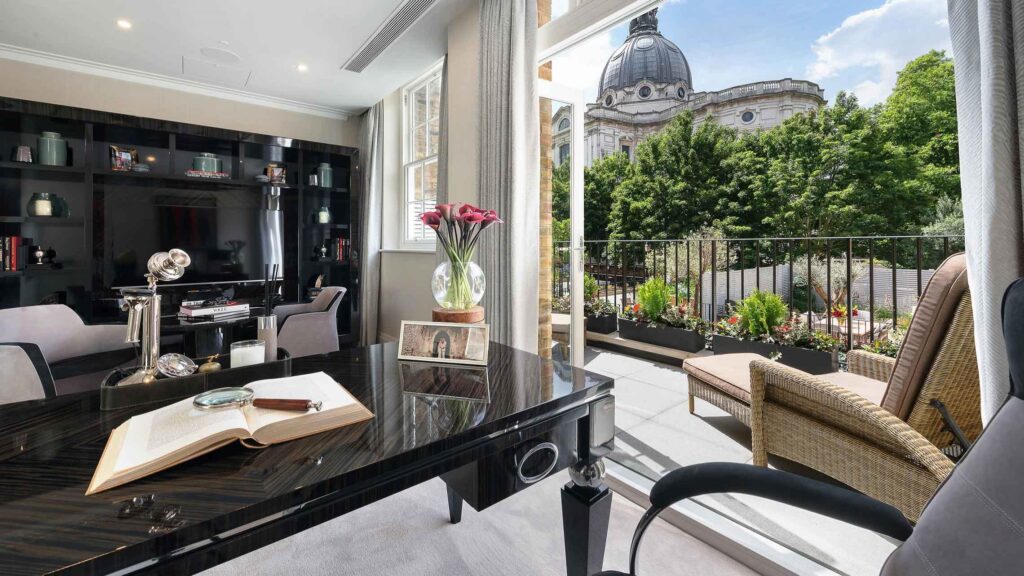

On a cool autumn evening in London’s prestigious Mayfair district, a luxury property auction attracted some of the world’s wealthiest investors. The atmosphere was silent as bidders competed for an exceptional penthouse overlooking Hyde Park. With panoramic city views, designer interiors, private terraces, and world-class finishes, the property eventually sold for tens of millions of pounds.
For many people, such a sale may seem extraordinary. However, in London’s luxury real estate market, multi-million-pound transactions are part of an exclusive world where historic townhouses, modern penthouses, and private estates continue to attract international buyers.
London has remained one of the world’s most desirable luxury property markets for decades. Despite economic uncertainty, changing interest rates, and global challenges, the city continues to attract high-net-worth individuals seeking security, lifestyle, and long-term investment opportunities.
This updated guide explores the luxury real estate market in London in 2026, including prime locations, market trends, buyer preferences, investment factors, and the future outlook.
Why London Luxury Real Estate Remains Globally Attractive
London is more than a city—it is a global financial, cultural, and historical center.
The luxury property market benefits from a combination of factors that few other cities can match:
- Political and legal stability
- Global financial influence
- World-class education
- Cultural importance
- International business connections
- Strong demand from wealthy buyers
For ultra-high-net-worth individuals (UHNWIs), London property is often viewed as both a lifestyle purchase and a long-term asset.
The city attracts buyers from regions including:
- Middle East
- Asia
- Europe
- North America
- Africa
Many international investors choose London because luxury homes provide a combination of prestige, security, and potential value preservation.
Understanding London’s Luxury Property Market
London’s luxury real estate market includes some of the most expensive residential properties in the world.
Luxury properties generally include:
- High-end apartments
- Historic mansions
- Private townhouses
- Waterfront residences
- Exclusive penthouses
Prices vary significantly depending on:
- Location
- Property size
- Architectural design
- Historical value
- Amenities
- Privacy and security
Prime London neighborhoods often command some of the highest prices per square foot globally.
Most Expensive Areas for Luxury Real Estate in London
Certain neighborhoods have become internationally recognized symbols of wealth and prestige.
Mayfair
Mayfair is one of London’s most famous luxury districts.
Known for:
- Elegant Georgian buildings
- Exclusive private residences
- Luxury shopping
- Five-star hotels
- High-end restaurants
Properties in Mayfair are highly desirable among international buyers looking for central London living.
Knightsbridge
Knightsbridge is famous for luxury apartments and proximity to world-renowned destinations.
Highlights include:
- Harrods
- Hyde Park
- Designer boutiques
- Premium residential developments
Large apartments and private residences in Knightsbridge often attract global investors.
Belgravia
Belgravia is known for:
- Beautiful garden squares
- Historic architecture
- Quiet streets
- Elegant townhouses
It remains a preferred choice for buyers seeking privacy and traditional London luxury.
Kensington and Chelsea
These areas combine:
- Cultural attractions
- Royal connections
- Large family homes
- Green spaces
They are particularly popular among families seeking premium residential environments.
Hampstead and Highgate
These northern London neighborhoods offer:
- Larger homes
- Private gardens
- Village-style surroundings
- Green spaces
They appeal to buyers wanting luxury with more space and privacy.
Key Factors Driving London Luxury Real Estate Demand
Several forces continue to support demand in London’s high-end property market.
1. International Wealth and Global Investment
Foreign buyers remain an important part of London’s luxury property sector.
Many investors view London real estate as a safe asset because of:
- Strong property rights
- Established legal systems
- Global reputation
- Economic importance
Luxury homes are often purchased as:
- Primary residences
- Investment properties
- Family assets
- Long-term wealth preservation tools
2. Limited Supply of Prime Properties
One of the biggest factors supporting luxury prices is limited availability.
Prime central London has:
- Restricted development space
- Strict planning regulations
- Historic preservation rules
Because new luxury properties are difficult to create in the most desirable areas, existing premium homes remain highly valuable.
A historic townhouse in Belgravia or a penthouse near Hyde Park cannot easily be replicated, making these properties extremely rare.
3. London’s Lifestyle Appeal
Luxury buyers are not only purchasing property—they are buying a lifestyle.
London offers:
World-Class Shopping
Including:
- Harrods
- Bond Street boutiques
- Luxury fashion houses
Fine Dining
The city has hundreds of internationally recognized restaurants and culinary experiences.
Culture and Entertainment
Residents have access to:
- Museums
- Theatres
- Art galleries
- Concert venues
Education
London is home to globally respected institutions, making it attractive for families.
4. Currency Opportunities for International Buyers
Currency changes can influence overseas demand.
When the British pound becomes weaker compared with other currencies, international buyers may find London properties more attractive.
Investors using currencies such as:
- U.S. dollars
- Euros
- Gulf currencies
may benefit from favorable exchange rates during certain market periods.
Latest Luxury Real Estate Trends in London 2026
The definition of luxury property is changing. Buyers are now looking beyond size and location.
Modern luxury focuses on comfort, technology, wellness, and sustainability.
1. Sustainable Luxury Homes
Environmental awareness is becoming increasingly important among wealthy buyers.
Luxury properties now include features such as:
- Energy-efficient heating systems
- Solar technology
- Sustainable materials
- Green roofs
- Smart energy management
Eco-friendly design is no longer considered optional—it is becoming part of modern luxury.
2. Smart Home Technology
Technology has become a major selling point in luxury properties.
High-end homes increasingly include:
- Automated lighting
- Climate control systems
- Smart security
- Voice-controlled features
- Integrated entertainment systems
Some luxury residences also offer:
- Private cinemas
- Wellness rooms
- Automated kitchens
- Advanced security systems
3. Demand for Larger Living Spaces
The pandemic changed buyer priorities.
Many wealthy buyers now prefer homes with:
- Private gardens
- Outdoor terraces
- Home offices
- Gyms
- Entertainment areas
Luxury buyers increasingly want properties that support both professional and personal lifestyles.
4. Privacy and Security
Privacy has become one of the most important luxury features.
High-net-worth buyers often look for:
- Gated entrances
- Private parking
- Security systems
- Discreet locations
- Limited public access
Exclusive developments increasingly focus on creating private residential environments.
5. Wellness-Focused Design
Luxury homes are becoming personal wellness spaces.
Popular features include:
- Indoor pools
- Spa areas
- Meditation rooms
- Fitness studios
- Natural lighting
- Indoor gardens
The idea of luxury is shifting toward health, comfort, and quality of life.
Investing in London Luxury Real Estate: Opportunities and Challenges
Advantages
Strong Global Reputation
London remains one of the world’s most recognized property markets.
Long-Term Value
Prime properties often maintain strong demand because of limited supply.
International Appeal
Global buyers continue to view London as a prestigious investment location.
Challenges
Luxury property investors should also consider:
Market Changes
Interest rates, economic conditions, and government policies can influence demand.
Tax Considerations
Property taxes and regulations can affect investment returns.
Maintenance Costs
Luxury homes require significant upkeep, especially historic properties.
The Future of London Luxury Real Estate
The outlook for London’s luxury property market remains positive, although growth is expected to be more measured compared with previous decades.
Future demand will likely be influenced by:
- International investment
- Sustainable development
- Technology integration
- Infrastructure improvements
- Changing lifestyle preferences
Major transportation improvements and regeneration projects may increase interest in emerging luxury neighborhoods.
Areas with improved connectivity and new premium developments could become increasingly attractive to investors.
Tips for Buyers Entering London’s Luxury Market
Potential buyers should consider:
Research the Location
Neighborhood reputation, future development plans, and accessibility matter significantly.
Work With Experienced Professionals
Luxury property transactions often require:
- Specialist agents
- Legal advisors
- Financial experts
Consider Long-Term Value
The most desirable properties are usually those with:
- Unique architecture
- Prime locations
- Limited availability
- Strong historical appeal
Conclusion
London’s luxury real estate market remains one of the most prestigious and competitive property markets in the world.
From historic Belgravia townhouses to modern Hyde Park penthouses, luxury properties continue to attract wealthy buyers seeking security, lifestyle, and investment potential.
Although the market faces challenges from economic changes and evolving regulations, London’s global importance, limited property supply, and unmatched lifestyle appeal continue to support its position as a premier luxury real estate destination.
For investors and homeowners alike, understanding market trends, buyer preferences, and emerging opportunities will be essential for navigating London’s high-value property landscape in 2026 and beyond.